

Counter-depth refrigerators sit closer to surrounding cabinetry for a built-in look. They create a cleaner profile and save walking space in narrow kitchens. Plus, they typically offer slightly less interior depth than standard models but deliver strong visual appeal.
Refrigerators Buying Guide
Refrigerator Buying Guide from NFM
A refrigerator is one of the most important appliances in your home, and choosing the right one makes everyday life easier. The best model for your space depends on how you cook, how much you store, and the layout of your kitchen. This guide simplifies the shopping process by breaking down the most common refrigerator styles, key features, measurement tips, and important considerations before you buy.
Types of Refrigerators: Which is Best for You?
Different refrigerator designs offer different strengths. Understanding these options helps narrow your choices quickly.
French Door Refrigerators
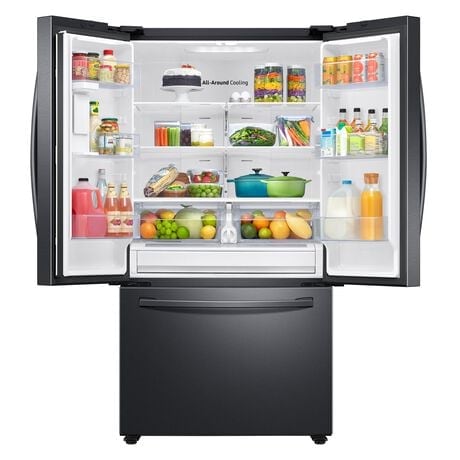
French door refrigerators combine two narrow doors with a pull-out freezer. They offer wide shelving, flexible storage, and a layout that keeps fresh foods at eye level. These models work well for large families, meal preppers, and anyone who wants modern features and adjustable organization.
Shop French Door Refrigerators
Side-by-Side Refrigerators
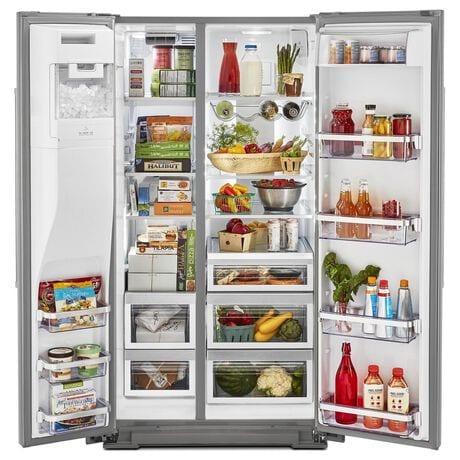
Side-by-side models place the refrigerator and freezer vertically next to each other. They provide easy access to frozen food and fit well in kitchens with limited door swing space. They’re a good choice for families who use the freezer often or want a balanced split between fresh and frozen storage.
Shop Side by Side Refrigerators
Top Freezer Refrigerators
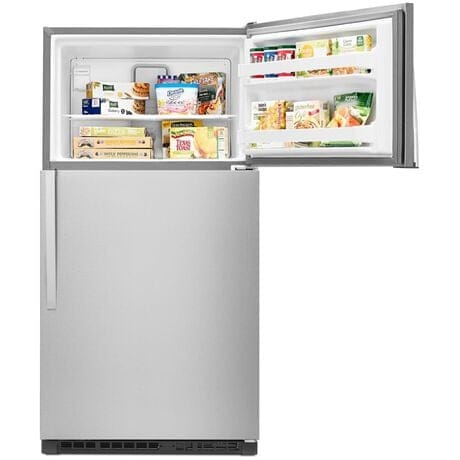
Top-freezer refrigerators feature a traditional design at a budget-friendly price. These models are straightforward, reliable, and ideal for apartments, rental properties, garages, and smaller households.
Shop Top Freezer Refrigerators
Bottom Freezer Refrigerators
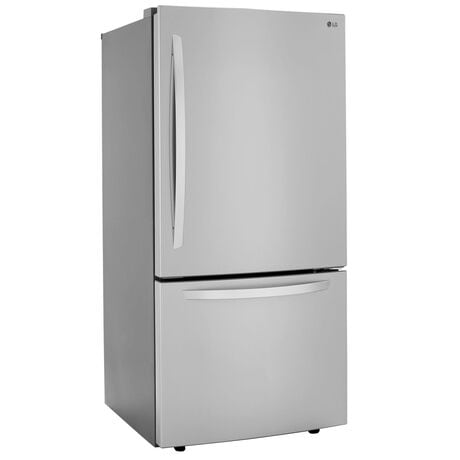
Bottom-freezer models place the refrigerator above and the freezer below. This makes fresh foods easier to reach and keeps everyday items at a comfortable height.
Shop Bottom Freezer Refrigerators
Refrigerator Sizes Explained
Refrigerator sizes vary by style and household needs. Here’s a quick breakdown:
- Compact models (14–18 cu. ft.) work well for 1–2 people or smaller kitchens.
- Mid-size models (18–26 cu. ft.) suit most families and everyday storage needs.
- Large-capacity models (26–30+ cu. ft.) are ideal for bigger households or bulk shopping.
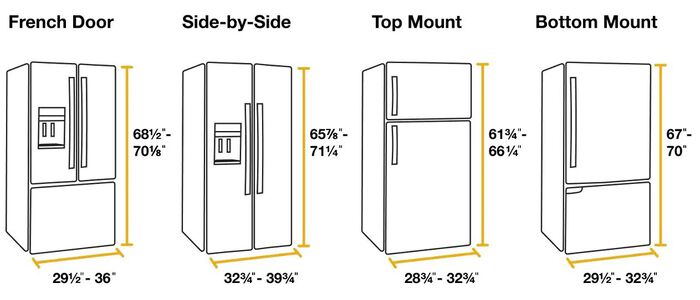
Widths typically range from 30–36 inches, depending on style.
Counter-depth refrigerators offer a shallower, built-in look, while standard-depth models provide the most interior space.
Refrigerator Dimensions: How to Measure for a Refrigerator
A refrigerator needs to fit your opening, your kitchen layout, and your delivery path.
Start by measuring height, width, and depth of the cutout. Use the smallest measurement to determine the maximum size that fits. Leave some room for ventilation. Most refrigerators need a bit of clearance at the top, sides, and back for air circulation.
Check how the doors will open. Make sure nothing blocks the swing of the refrigerator, freezer drawer, or doors. If you have an island or a tight corner, French doors or side-by-side models require less clearance.
Measure all access points to your kitchen, including the front door, hallways, and staircases. Compare these dimensions with the refrigerator’s packaged size so delivery teams can bring it in safely.
Refrigerator Placement
Built-In
Built-in options offer customizable panel-ready models, premium materials, and wider configurations. They’re designed for custom kitchens, remodels, or households looking for long-term durability and upscale aesthetics.
Drawer
Drawer refrigerators can be installed under counters or within islands to support beverage storage, overflow refrigeration, or entertaining spaces. They’re often used as a secondary refrigerator solution and can help keep frequently used items easy to access.
Outdoor
Outdoor refrigerators are built to handle fluctuating temperatures and tougher conditions. If you’re adding refrigeration to a patio or outdoor kitchen, look for durable construction and plan for covered placement.
Understanding Capacity and Storage
One of the most important questions to answer is: What size refrigerator do I need? Refrigerator capacity is measured in cubic feet, and the right size depends on how much food you typically store and how frequently you shop.
A smaller household may be comfortable with 18 to 20 cubic feet. A family of four typically benefits from 22 to 26 cubic feet. Larger households or bulk shoppers may prefer 27 cubic feet or more.
Interior organization can make a big difference. For example, adjustable shelves help accommodate tall containers while full-width drawers are useful for party trays or meal prep.
In addition, humidity-controlled crispers extend the life of produce. Door bins keep essentials easy to reach.
Freezer organization varies by style. Drawers offer easy visibility, while shelving systems in side-by-side freezers help keep items sorted.
How to Choose a Refrigerator: Key Features to Consider
Modern refrigerators offer more choices than ever. Here are some of the most helpful features to compare, from energy efficient models to quiet refrigerators and more.
Smart Technology
Wi-Fi connectivity allows you to adjust temperatures, receive open-door alerts, or diagnose issues from your phone. Some smart fridge features track groceries or show the inside through a built-in camera. These options can be helpful for busy homes, frequent travelers, or disabled individuals.
Cooling Systems
Dual evaporators help keep the refrigerator and freezer climates separate, which maintains better humidity and prevents odor transfer. Multi-airflow systems keep temperatures more consistent. Precision cooling zones can be adjusted for deli items, beverages, or produce.
Ice & Water Options
Refrigerators may include external and/or internal dispensers, dual ice makers, or specialty ice shapes. If you prefer a clean exterior, internal dispensers keep the front smooth. Households that entertain often may benefit from models that make more ice per day.
Energy Efficiency
ENERGY STAR refrigerators are designed to reduce a refrigerator's energy usage and may help lower long-term costs. Features like LED lighting, efficient compressors, and improved insulation all contribute to better overall performance.
Finishes & Style Choices
Stainless steel remains a popular finish, but fingerprint-resistant coatings keep surfaces looking clean longer. Black stainless adds a softer tone. White and classic black offer traditional styling. Panel-ready designs help the refrigerator blend into cabinetry.
Noise Level
Many newer refrigerators are designed with noise-reducing compressors and improved insulation to help minimize operational sound. This can be especially important in open-concept homes or kitchens that sit near living or sleeping areas. Models with lower decibel ratings or advanced compressor technology offer quieter performance while still maintaining consistent cooling and energy efficiency.
Refrigerator Installation & Delivery Preparation
A refrigerator is a large appliance, so understanding installation needs helps you avoid surprises.
If your new model includes an ice maker or water dispenser, make sure your home has a working water line. If you don’t have one, you may need a plumber or installation service to add it.
Check for delivery obstacles. Move furniture, measure tight corners, and ensure walkways are clear.
Some models require leveling once installed so doors close properly. Most manufacturers also recommend a short wait before plugging in the appliance to allow refrigerant fluids to settle after transportation.
NFM offers professional delivery services to help ensure your refrigerator is handled safely and installed correctly. Our teams can assist with setup, connection to existing water lines, door adjustments, and haul-away of your old unit to make the process as smooth as possible.
Budget & Price Factors
Refrigerator prices vary widely depending on size, technology, and style.
Top-freezer and some side-by-side models are typically the most affordable. French door refrigerators fall in the mid-range, especially when equipped with advanced storage features or smart connectivity. Counter-depth options usually cost more due to their specialized design. Built-in and panel-ready models sit at the high end for their premium construction and customization.
NFM financing can make higher-end appliances more accessible, especially when you're completing a full kitchen upgrade.
Matching the Refrigerator to Your Lifestyle
Different features benefit different types of households. These examples may help you decide which model fits your needs.
Large families often appreciate wide shelves, spill-proof glass, and spacious freezer storage. Households that cook often benefit from temperature-controlled drawers, produce zones, and flexible layouts. If you like to entertain, dual ice makers and full-width drawers help manage larger gatherings.
If you prefer minimal maintenance, look for fingerprint-resistant finishes and easy-clean shelving. If you value technology, smart features and app integration can support everyday routines.
Why Shop NFM for Refrigerators?
NFM makes it easy to find the right refrigerator for your home. With one of the largest in-stock selections in the region, a wide range of styles and sizes, and competitive pricing updated daily, you can shop with confidence. Our knowledgeable sales professionals are here to help you compare features, understand installation needs, and choose a model that fits your space and your budget.
Refrigerators: Frequently Asked Questions
How long do refrigerators last?
Most refrigerator models last about 10 to 15 years, depending on usage and maintenance. Knowing when to replace a refrigerator can help prevent food loss and higher utility costs. Common signs include inconsistent cooling, increased noise, frost buildup, or rising energy bills.
What is the difference between standard depth and counter depth?
Standard-depth refrigerators extend further into the kitchen and usually offer more storage. Counter-depth models sit nearly flush with cabinetry for a built-in look but may have slightly less interior space.
How much clearance do I need around my refrigerator?
Most models need a small amount of space at the sides, back, and top for proper airflow. Always check the manufacturer’s recommendations.
Which refrigerator style offers the most storage?
French door models typically provide the most flexible fresh-food storage. Side-by-side models offer strong freezer organization.
Do I need a water line for a refrigerator?
You only need a water line if the refrigerator includes a dispenser or ice maker. Some models offer ice makers with manual-fill reservoirs, but most require a plumbed connection.
Are smart refrigerators worth it?
Smart features provide convenience, alerts, and enhanced visibility into your appliance’s performance. Smart refrigerators are helpful for tech-forward homes or those seeking more control over food management.
