

Rug Buying Guide
A great area rug can anchor your space, add comfort underfoot, and bring color, pattern, and personality into your home. But with so many sizes, shapes, materials, and styles to choose from, finding the right rug can feel overwhelming.
Use this guide to make a confident choice. Start with the room you're decorating, then consider the rug's size, shape, color, material, construction, and care needs to find an option that works for your space and lifestyle.
Consider Your Space
Start by thinking about how the room is used and what you need from your rug.
High-traffic areas such as entryways, kitchens, hallways, and family rooms benefit from durable, easy-to-clean materials. Bedrooms, lounges, and formal spaces may be better suited to softer, more luxurious textures.
Also consider:
-
How often the room is used
-
Where furniture will sit
-
Whether you have children or pets
-
How much maintenance you're comfortable with
-
Whether the rug will be exposed to moisture, dirt, or outdoor elements
-
The overall look and feel you want to create
The right rug should complement both your design vision and the way you live in your home.
Choose a Color, Pattern & Style
Your rug can either blend with your existing décor or become a statement piece.
Choose colors that complement your walls, furniture, flooring, and accessories. A neutral rug can create a subtle foundation, while a bold color or pattern can add personality and become a focal point.
When choosing a pattern, consider the scale of the room and the other patterns already in the space. Larger, more intricate patterns can make a statement, while smaller or more subtle patterns can add visual interest without overwhelming the room.
Consider your home's overall style, too. A modern or contemporary rug can create a clean, streamlined look, while traditional and vintage styles add timeless character. For a more relaxed feel, consider farmhouse or boho-inspired designs.
If your furniture and décor already make a strong statement, a simpler rug may help balance the room. If your space is more neutral, a patterned or colorful rug can add dimension and character.
Measure Your Space & Choose the Right Rug Size
Before shopping, measure the area where you plan to place your rug. You can also take photos of your space or use painter's tape to outline different rug dimensions on the floor. This makes it easier to visualize how each size will look before you buy. Keep in mind that rug sizes can vary by style and retailer, so always check the exact dimensions before purchasing.
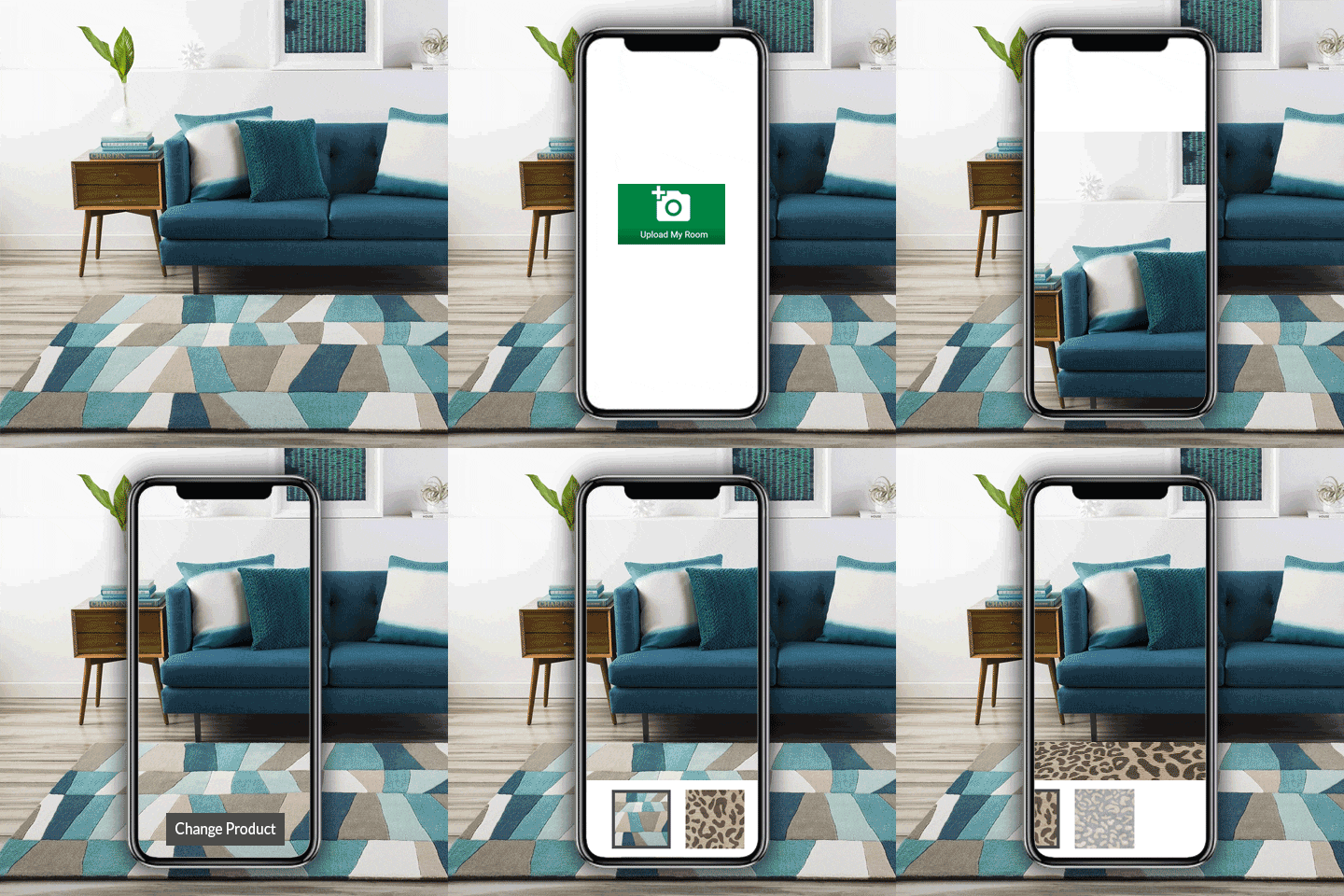
Try our Rug Visualizer to preview different rugs in your space.
As a general rule, larger rugs help anchor a room, while smaller rugs can define a specific zone or add a decorative accent. When in doubt, choose the largest rug that fits comfortably within the space while leaving a balanced border of exposed flooring.
How to Position a Living Room Rug
There are several ways to position a rug in a living room. The best choice depends on the size of your space, furniture arrangement, and whether your seating area is floating or positioned against a wall. In general, choose the largest size that fits comfortably with your furniture arrangement and leaves a balanced amount of exposed flooring around the rug.
Find Living Room Rugs
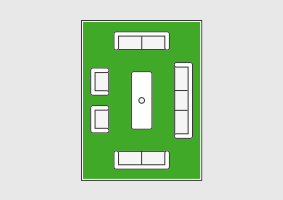
Furniture Completely on the Rug
This layout works well for floating furniture groupings or open-concept spaces. The rug should extend at least 6" beyond the furniture on all sides to create a cohesive, anchored seating area.
Recommended Rug Sizes:
9' x 12'

Furniture Partially on the Rug
This versatile arrangement works especially well when one edge of the furniture grouping is against a wall. Place the front legs of your seating on the rug while allowing the back legs to remain on the floor.
This approach helps define the seating area without requiring a rug large enough to cover the entire furniture grouping.
Recommended Rug Sizes:
6' x 9' or 8' x 10'
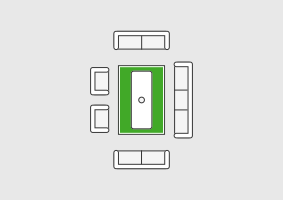
Coffee Table on the Rug
A smaller rug positioned beneath the coffee table can work well in small or narrow spaces. It helps define the seating area while keeping more exposed flooring around the room.
Base the rug size on the interior dimensions of your seating area rather than the coffee table alone.
Recommended Rug Sizes:
4' x 6' or 5' x 7'
Dining Room Rug Size & Placement
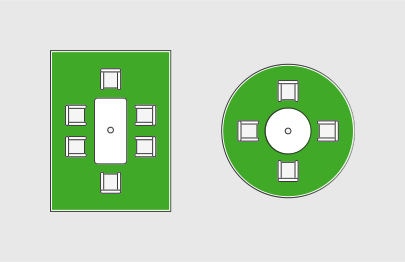
Dining room rugs should provide enough room for chairs to remain fully on the rug when they're pulled away from the table. A rug that's too small can cause chair legs to catch on the edge, making the table less comfortable to use.
As a general guideline, allow approximately 24–30 inches of rug beyond the table on each side. The rug should also leave a balanced amount of exposed flooring around the dining area.
Recommended Rug Sizes:
6' x 6' round or square
8' x 10'
9' x 12'
Bedroom Rug Size & Placement
A bedroom rug can add warmth and softness while visually anchoring the bed.
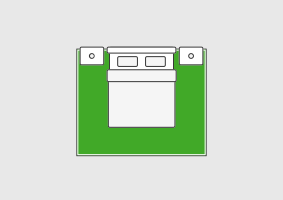
All Furniture on the Rug
This layout extends the rug beyond the bed to accompanying furniture such as nightstands or a bench. It typically does not include bedroom pieces positioned along the walls, such as dressers.
Leave approximately 18-24 inches of rug beyond the furniture where possible, while keeping the main walkways clear.

Furniture on 2/3rd of the Rug
A popular option is to position the rug under approximately two-thirds of the bed. This allows the rug to extend beyond the sides and foot of the bed without reaching all the way to the nightstands.
Aim for approximately 18–24 inches of rug extending beyond the sides and foot of the bed when space allows.
Recommended Rug Sizes:
5' x 8' or 6' x 9' for Twin or Full
8' x 10' for Queen
9' x 12' for King
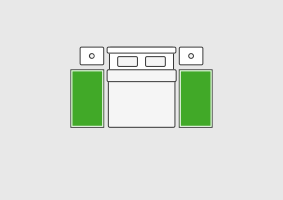
Runners on Each Side of the Bed
Runners are a flexible alternative to a large area rug, especially in smaller bedrooms. Place one runner alongside each side of the bed. A runner should generally stay within the length of the bed and be slightly wider than the nightstand.
Room-by-Room Rug Size Guide
Use these sizes as a starting point, then adjust based on your room dimensions and furniture arrangement.
| Room | Common Rug Sizes | Helpful Considerations |
|---|---|---|
| Entryway | 2' x 6' runner, 2' x 3', 3' x 5', 5' x 8' | Choose a durable material for dirt and frequent foot traffic. |
| Living Room | 5' x 8', 6' x 9', 8' x 10', 9' x 12', 10' x 14' | Choose a size that accommodates your seating arrangement. |
| Kitchen | 2' x 6' runner, 2' x 3', 3' x 5', 5' x 8' | Consider durable, easy-to-clean, moisture-resistant materials. |
| Dining Room | 6' x 6', 8' x 10', 9' x 12' | Make sure chairs remain on the rug when pulled away from the table. |
| Bedroom | 5' x 8', 6' x 9', 8' x 10', 9' x 12' | Size according to bed size and desired rug placement. |
| Office | 5' x 8', 6' x 9', 8' x 10' | Consider a size that accommodates your desk and chair. |
| Bathroom | 2' x 6' runner, 2' x 3', 3' x 5', 5' x 8' | Look for materials suited to moisture and frequent cleaning. |
| Outdoor | 5' x 8', 8' x 10', 9' x 12' | Leave apporximately 1-2 feet between the rug edge and patio perimeter when possible. |
Rugs Come In Many Shapes






Pick the Right Rug Material
Material affects a rug's durability, texture, comfort, appearance, and maintenance needs. Think about how the rug will be used before choosing a fiber.
Natural Fibers
-
Wool: Soft, durable, and naturally resilient. A versatile choice for living rooms and bedrooms.
-
Cotton: Lightweight and casual, with easy-care options that work well in kitchens and other relaxed spaces.
-
Jute: Known for its natural texture and neutral appearance. A popular choice for living rooms, dining rooms, and layered looks.
-
Sisal: Strong and durable, making it well suited to high-traffic areas.
-
Silk: Exceptionally soft and luxurious. Best reserved for areas with lighter foot traffic where its delicate nature can be protected.
Manmade and Synthetic Fibers
-
Polypropylene: Durable and stain-resistant, making it a practical choice for high-traffic spaces and many outdoor applications.
-
Polyester: Soft, affordable, and available in a wide range of colors and styles. A versatile option for entryways, dining areas, and playrooms.
-
Vinyl: Durable and easy to maintain, with non-slip options that can work well in kitchens and mudrooms.
-
Acrylic: Offers the look and feel of wool in a generally more affordable, easy-care option. Suitable for living rooms and bedrooms.
-
Viscose: Known for its silky appearance and luxurious sheen. Best suited to low-traffic areas where it can be handled with care.
Understand Rug Construction
Construction refers to how a rug is made. It can affect its texture, appearance, durability, and price.
Hand-Knotted
Hand-knotted rugs are made by individually tying yarn to a foundation by hand. This labor-intensive process can produce intricate designs and exceptionally durable rugs that can be enjoyed for years.
Hand-Tufted
Hand-tufted rugs are created by punching yarn through a backing using a handheld tool. They can offer a soft, plush feel and are available in a wide range of designs and textures.
Handloomed
Handloomed rugs are crafted on hand-operated looms. They may feature cut pile, loop pile, or combinations of textures and can be hand-carved, over-tufted, or printed to create additional dimension.
Because they are handmade, slight variations in size, color, and pattern can occur.
Power-Loomed
Power-loomed rugs are woven on automated machines, allowing for consistent sizing, patterns, and colors. They offer a wide variety of designs and can be a practical, cost-effective choice for everyday spaces.
Consider Care & Maintenance
Proper care can help keep your rug looking its best and extend its useful life.
-
Follow the manufacturer's specific cleaning and care instructions.
-
Vacuum regularly to remove dirt and debris; avoid the beater bar when recommended.
-
Blot spills promptly rather than rubbing them into the fibers.
-
Rotate your rug periodically to prevent uneven wear and fading.
Before purchasing, consider how much maintenance you're willing to provide. A rug that requires specialized care may not be the best fit for a busy household.
Consider adding a rug protection plan for added protection and peace of mind.
Don't Forget a Rug Pad
A rug pad is an important part of your rug setup. The right pad can help prevent slipping, add cushioning, reduce friction and wear, and protect your flooring from scratches.
Choose a pad based on the rug, room, and type of flooring.
Common Rug Pad Options
Premium Pads: Provide maximum cushioning and are a comfortable choice for living rooms and bedrooms.
Low-Profile Pads: Offer stability while maintaining a slimmer profile, making them useful where floor height or clearance is a concern.
Standard Pads: A practical option for everyday spaces such as dining areas.
Moisture-Resistant Pads: Designed for areas where moisture may be present, including appropriate outdoor applications.
Before You Buy: A Quick Rug Checklist
Before adding a rug to your cart, make sure you've considered:
-
Room: Where will the rug go?
-
Function: How much traffic will it receive?
-
Size: Have you measured the space and furniture?
-
Placement: Which furniture will sit on the rug?
-
Shape: Which shape complements the room?
-
Color & Pattern: Does it work with your existing décor?
-
Style: Does it fit the look you're creating?
-
Material: Is it appropriate for your lifestyle?
-
Construction: Does it offer the texture and durability you need?
-
Maintenance: Are you comfortable with its care requirements?
-
Rug Pad: Do you need additional grip, cushioning, or floor protection?
With the right combination of size, shape, material, construction, and style, your rug can do more than fill an empty floor—it can bring the entire room together.
Begin your rug shopping journey online or in store at NFM to find the perfect rug to complete your space.
Visualize Your New Rug in 3 Easy Steps
Get Started
Step 1
Snap Picture of Space

Step 2
Shop for a New Rug

Step 3
View Rug in Your Room
Interested in Flooring Services? We Offer Professional Installation.
Get inspiration and a quote today!
Request a Consultation Learn More