

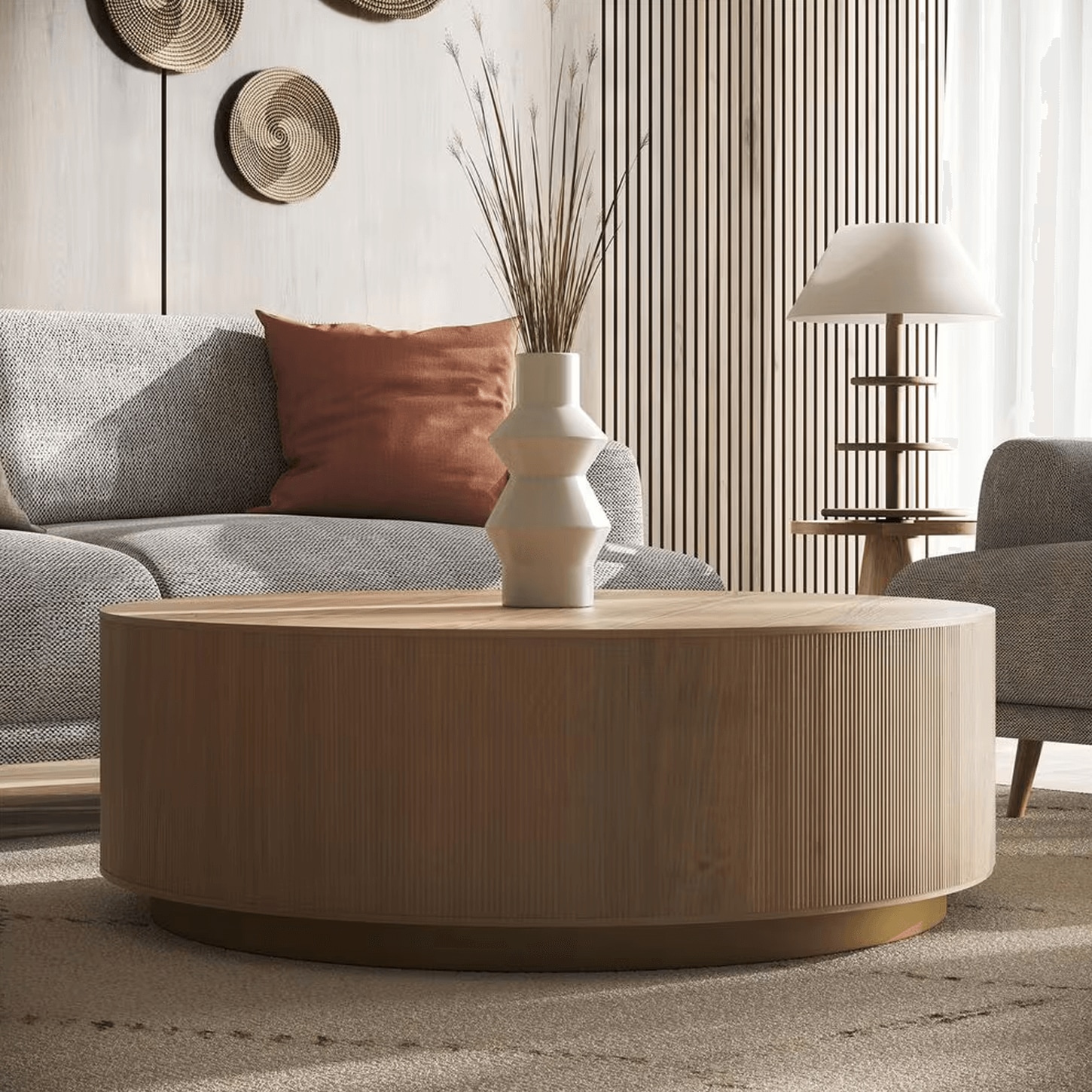
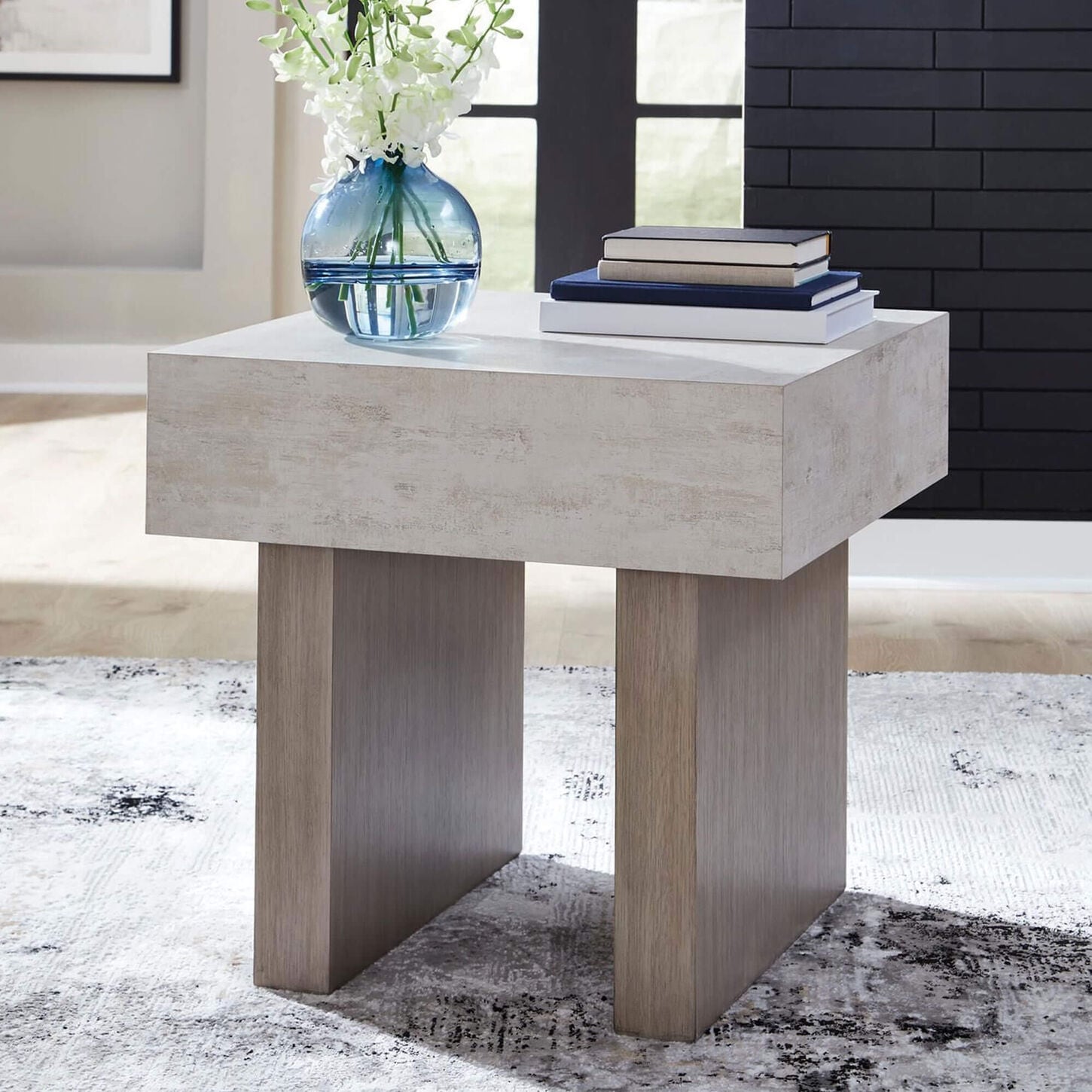
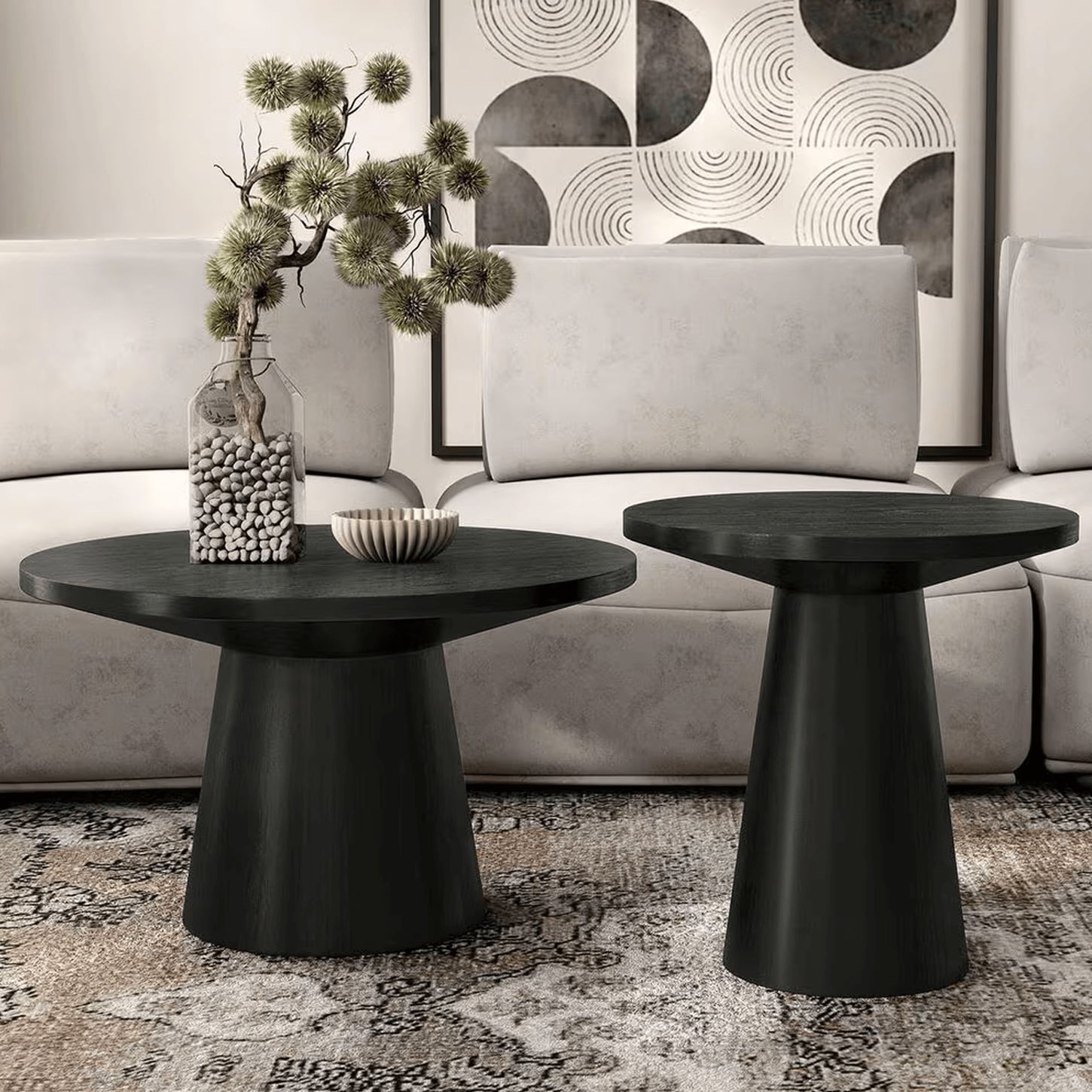
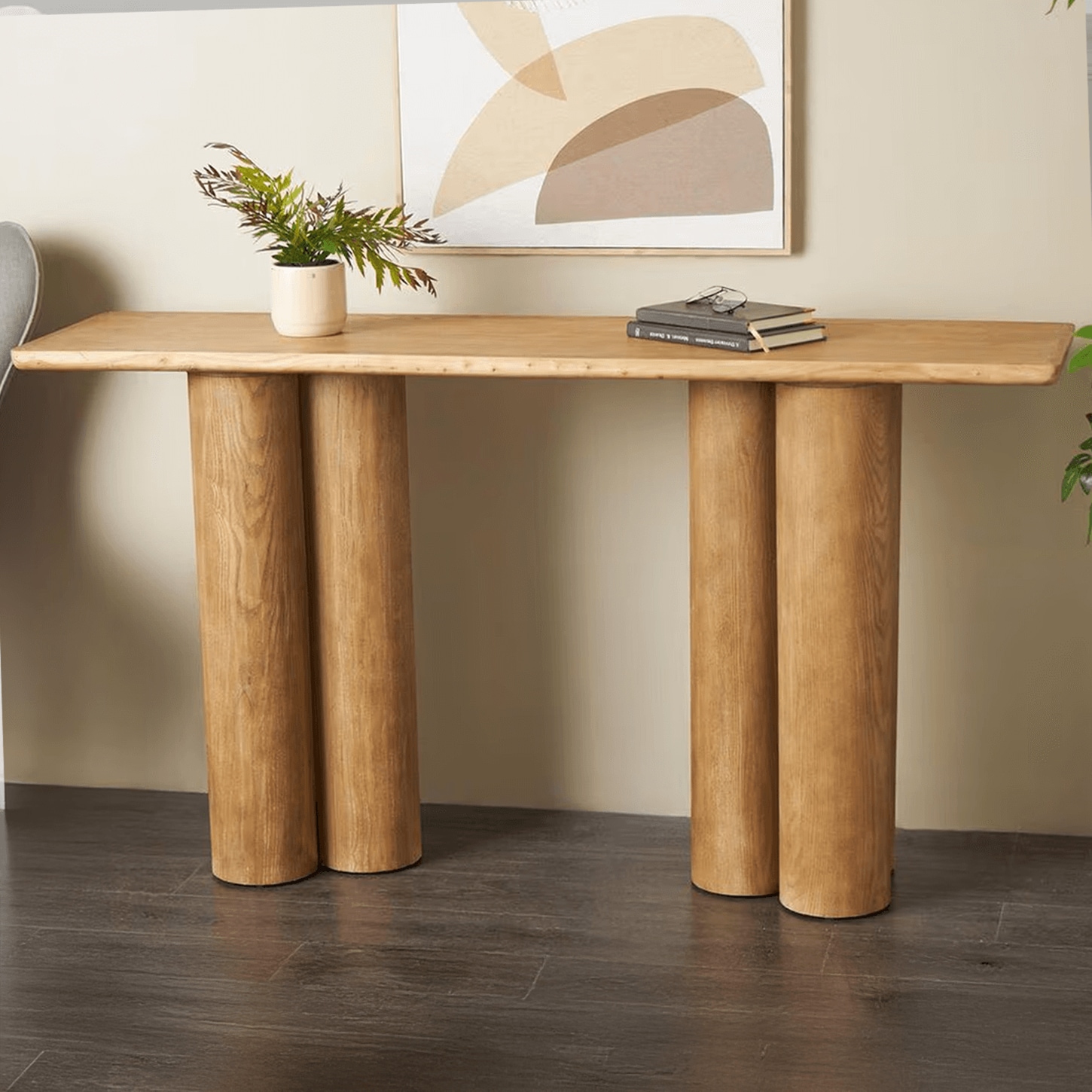



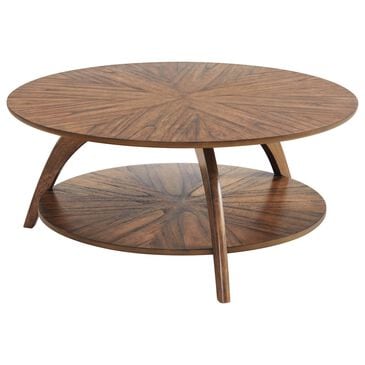
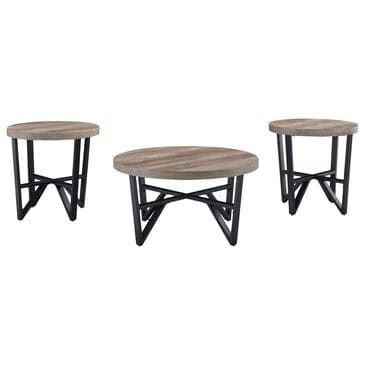
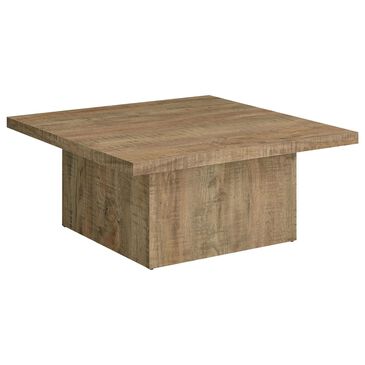
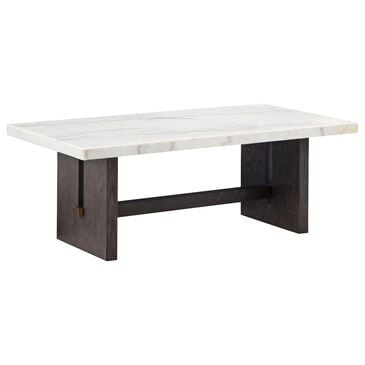





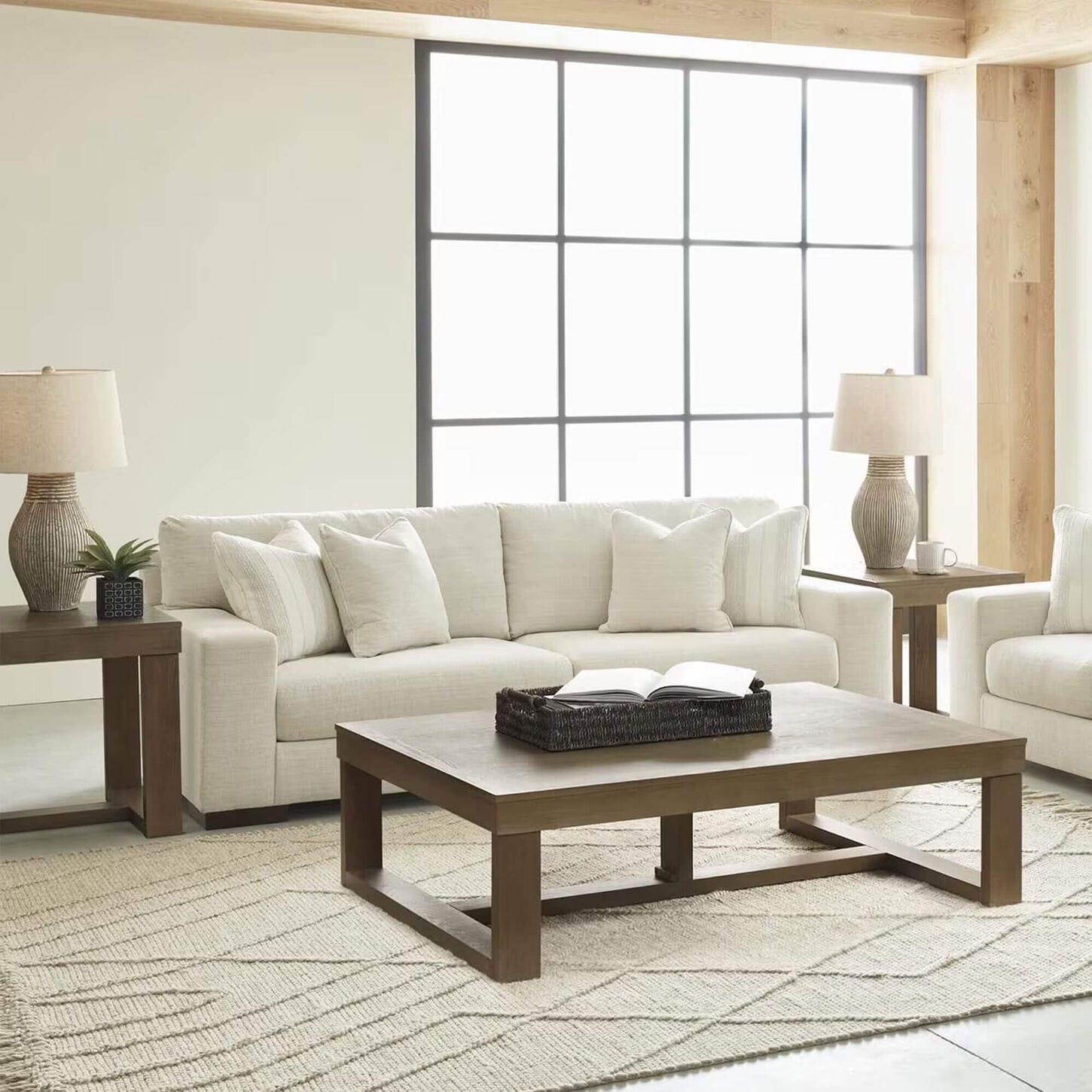

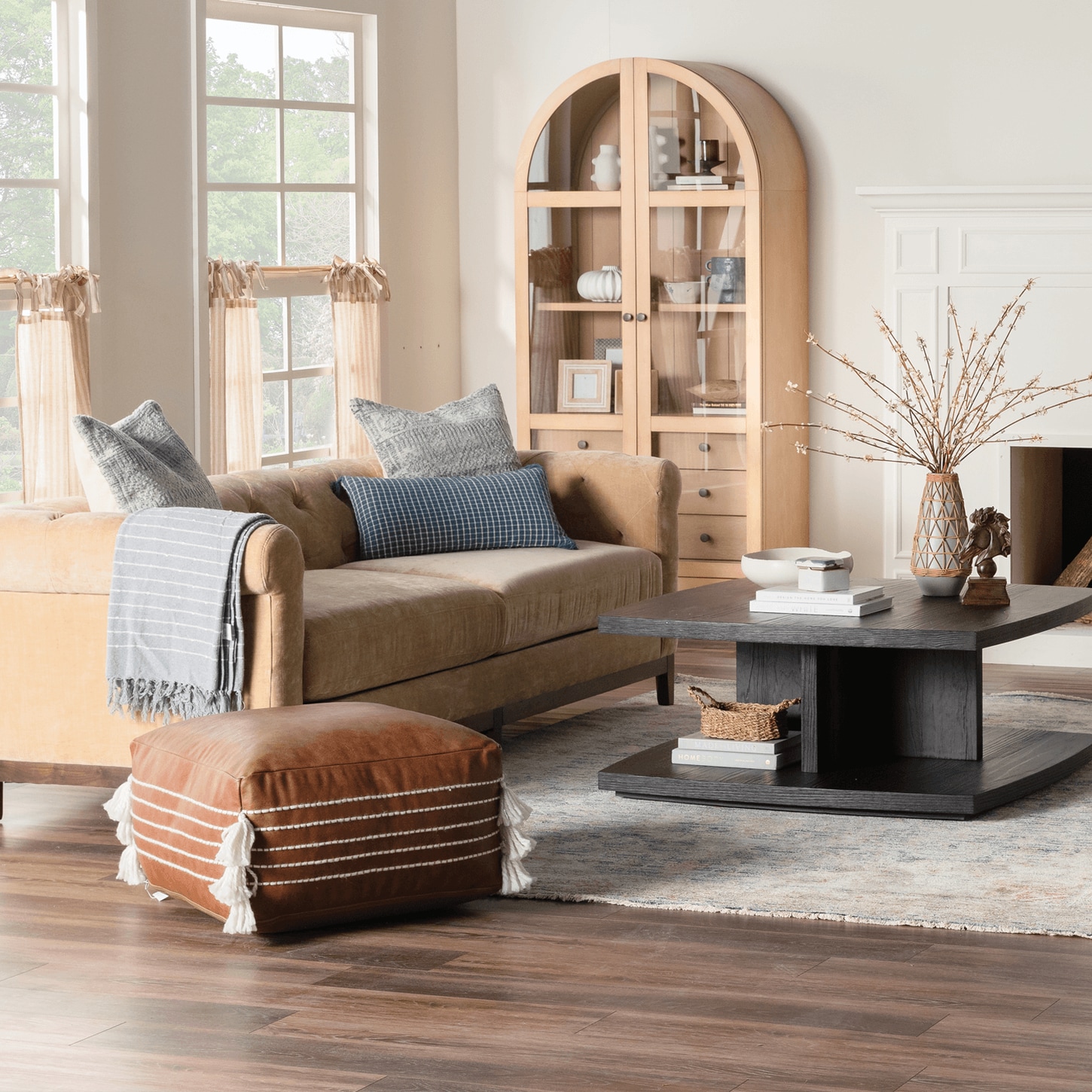
Find the Right Living Room Tables for Your Space
Living room tables bring your seating area together while providing convenient surfaces, storage and everyday function. At NFM, you can shop coffee tables, end tables, sofa tables, chairside tables and living room table sets in a variety of sizes, shapes, materials and styles.
Whether you need one table to complete your room or a coordinated set, use the filters to compare product type, shape, finish, features, price and availability.
Explore Tables for Living Room Spaces
Different tables serve different purposes throughout the room:
- Coffee tables create a central surface in front of a sofa or sectional.
- End tables keep lamps, drinks and everyday essentials within reach.
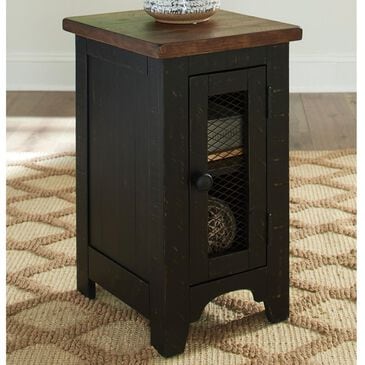
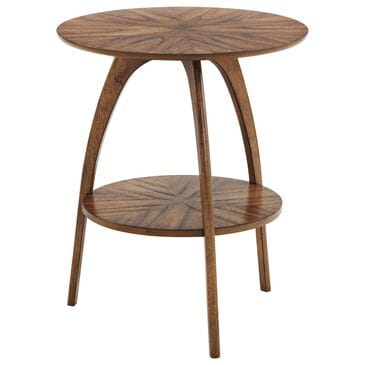
- Chairside tables fit neatly beside a chair or recliner.
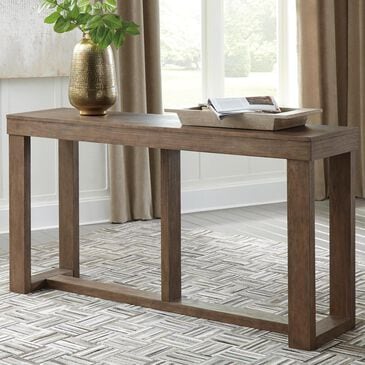
- Sofa tables add display or storage space behind a sofa.
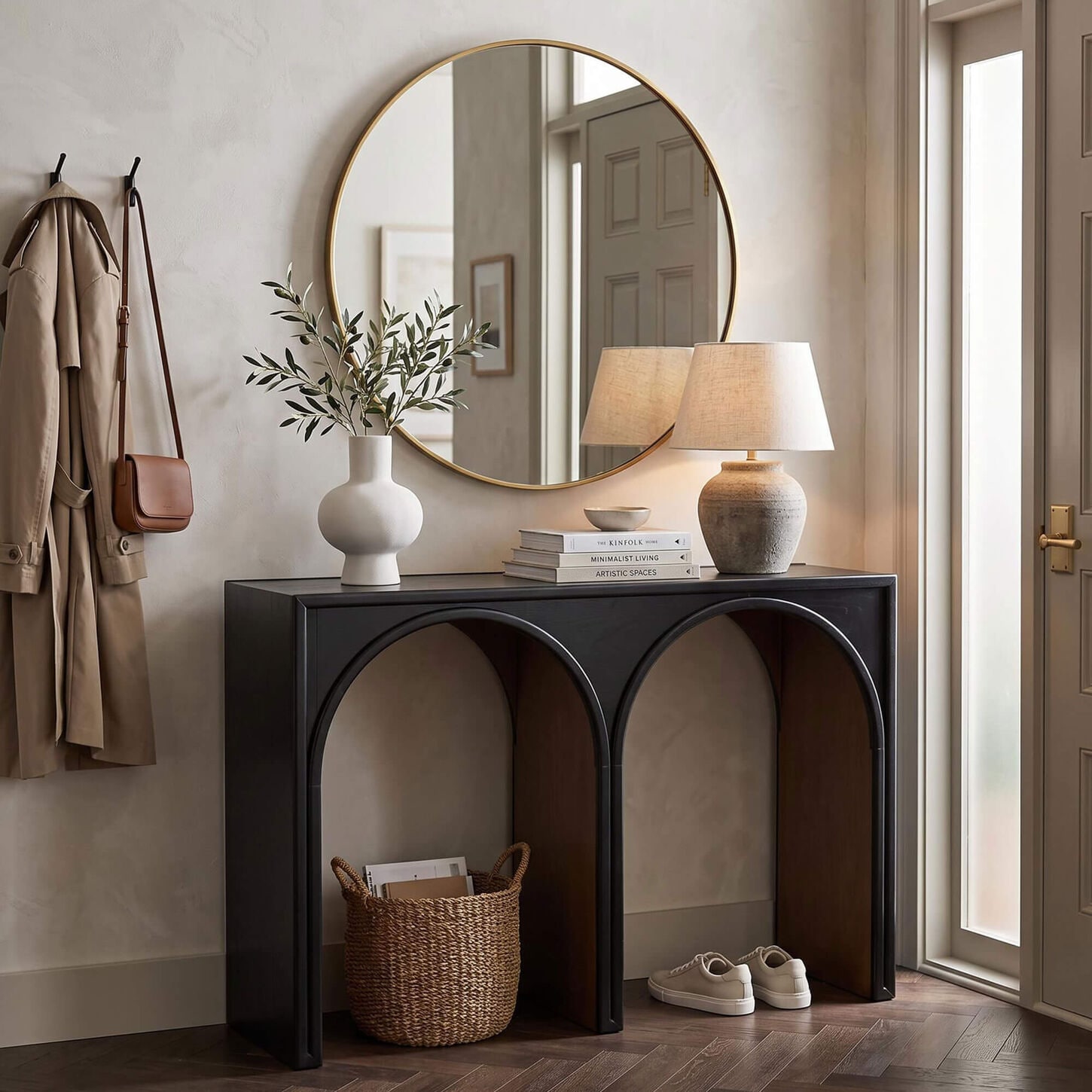
- Console tables work behind a sofa, against a wall or in an entryway.
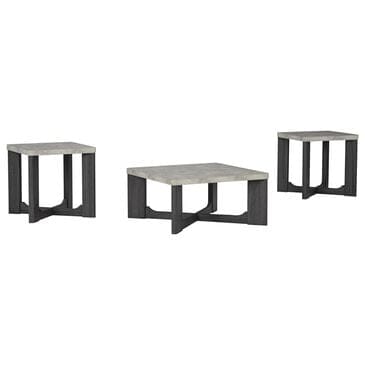
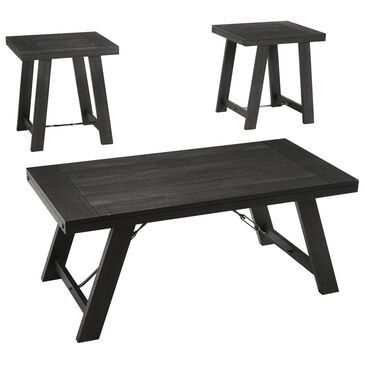
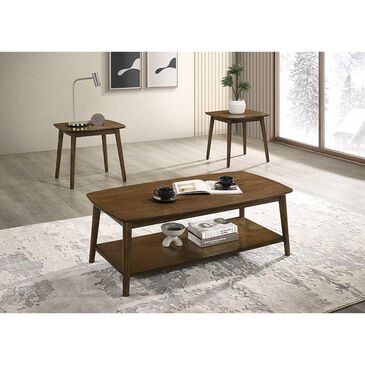
- Living room table sets coordinate coffee and end tables for a pulled-together look.
- Occasional tables provide flexible accent surfaces wherever you need them.
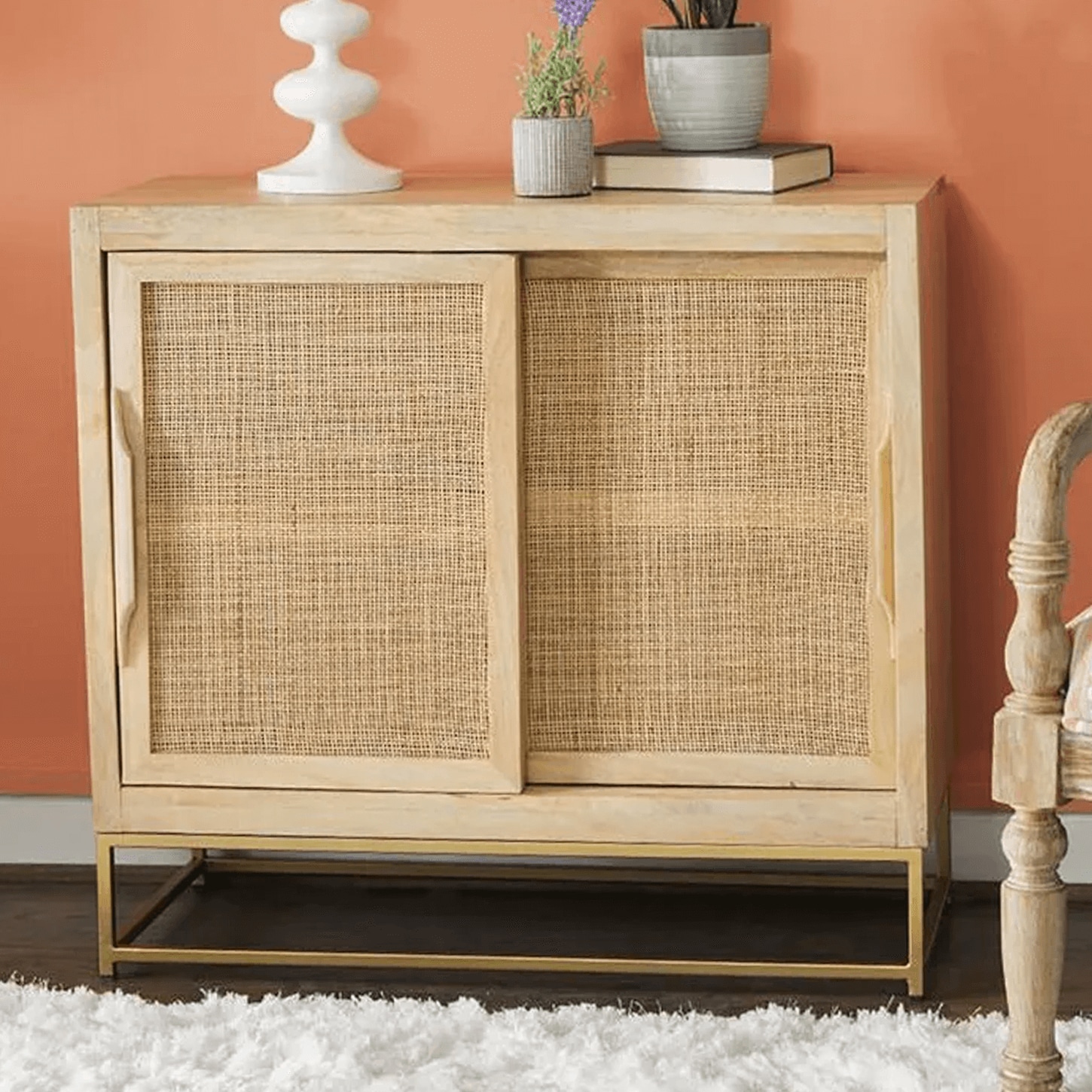
NFM’s selection of living room furniture tables also includes chests, cabinets and other storage pieces that help keep your space organized.
How Do You Choose a Coffee Table?
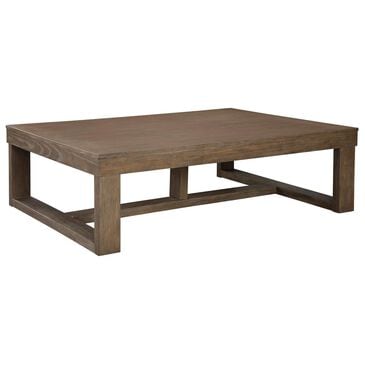
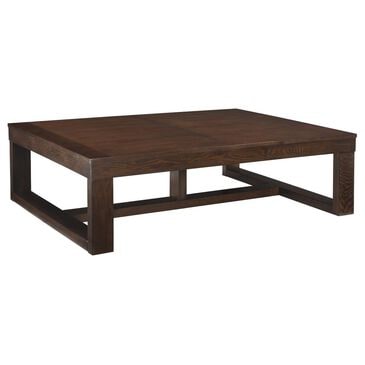
Choose a coffee table that fits the size and shape of your seating area. Coffee tables for living room spaces should be easy to reach while leaving enough room to move comfortably around them.
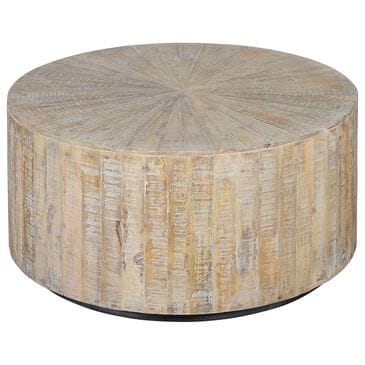
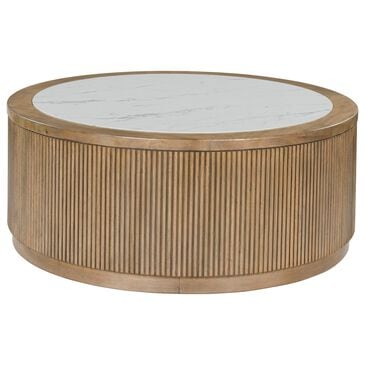
Rectangular and oval coffee tables pair well with many standard sofas. Round and square tables can work especially well with sectionals or compact seating arrangements. Before choosing a table, measure the available space and compare it with the product’s width, depth and height.
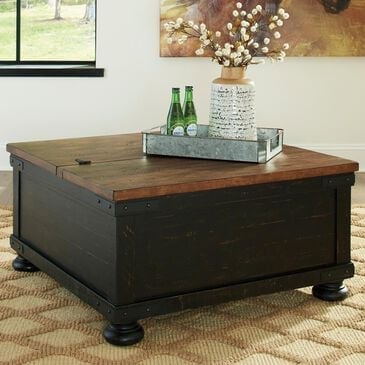
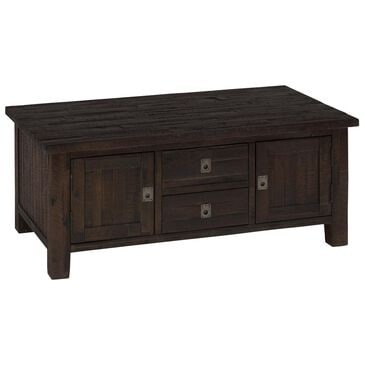
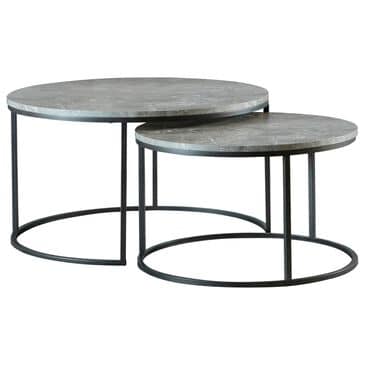
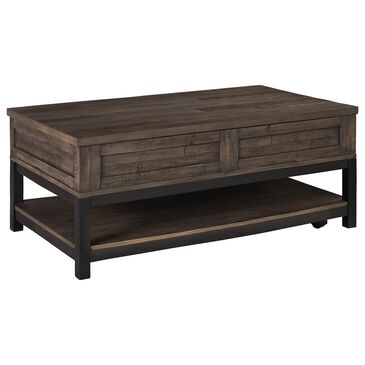
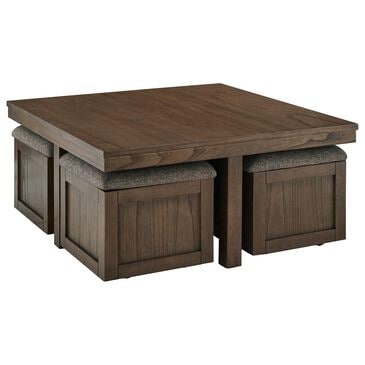
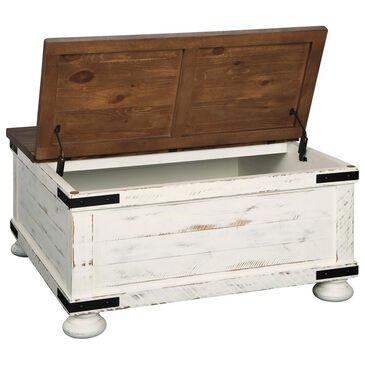
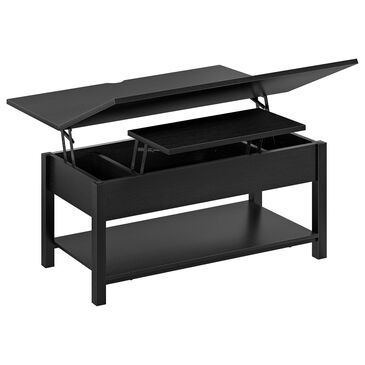
For more function, consider a lift-top coffee table, nesting tables or a coffee table with drawers, shelves or hidden storage. Lift-top designs create a raised surface for working, dining or using a laptop from the sofa.
How Do You Choose End Tables for a Living Room?
End tables for living room spaces should provide a useful surface without overwhelming the surrounding furniture. Look for a table with a top that sits close to the height of your sofa or chair arm, making lamps, drinks and other items easy to reach.
Standard end tables offer room for lighting and décor, while narrow chairside tables fit into smaller spaces. If organization is a priority, look for drawers, shelves or enclosed storage. Select end tables also include outlets, USB ports or wireless charging.
What Is the Difference Between Side Tables, End Tables and Chairside Tables?
Side tables for living room use is a broad category that includes several smaller table styles. End tables usually sit at either end of a sofa, while chairside tables are narrower and designed to fit beside an individual chair or recliner.
Because these names are sometimes used interchangeably, focus on the table’s dimensions and features. The best choice is the one that fits your space and keeps everyday essentials comfortably within reach.
What Is the Difference Between Sofa Tables and Console Tables?
Sofa tables are designed primarily for placement behind a sofa. Console tables are similarly long and narrow but can be used behind a sofa, against a wall or in an entryway.
Console tables for living room spaces provide a convenient place for lamps, framed photos and decorative accents. Options with drawers, cabinets or open shelves can also add storage without taking up much floor space.
Compare Living Room Table Materials
The material you choose can influence the look, maintenance and overall feel of the room:
- Wood tables add warmth and come in finishes ranging from light and natural to dark and distressed.
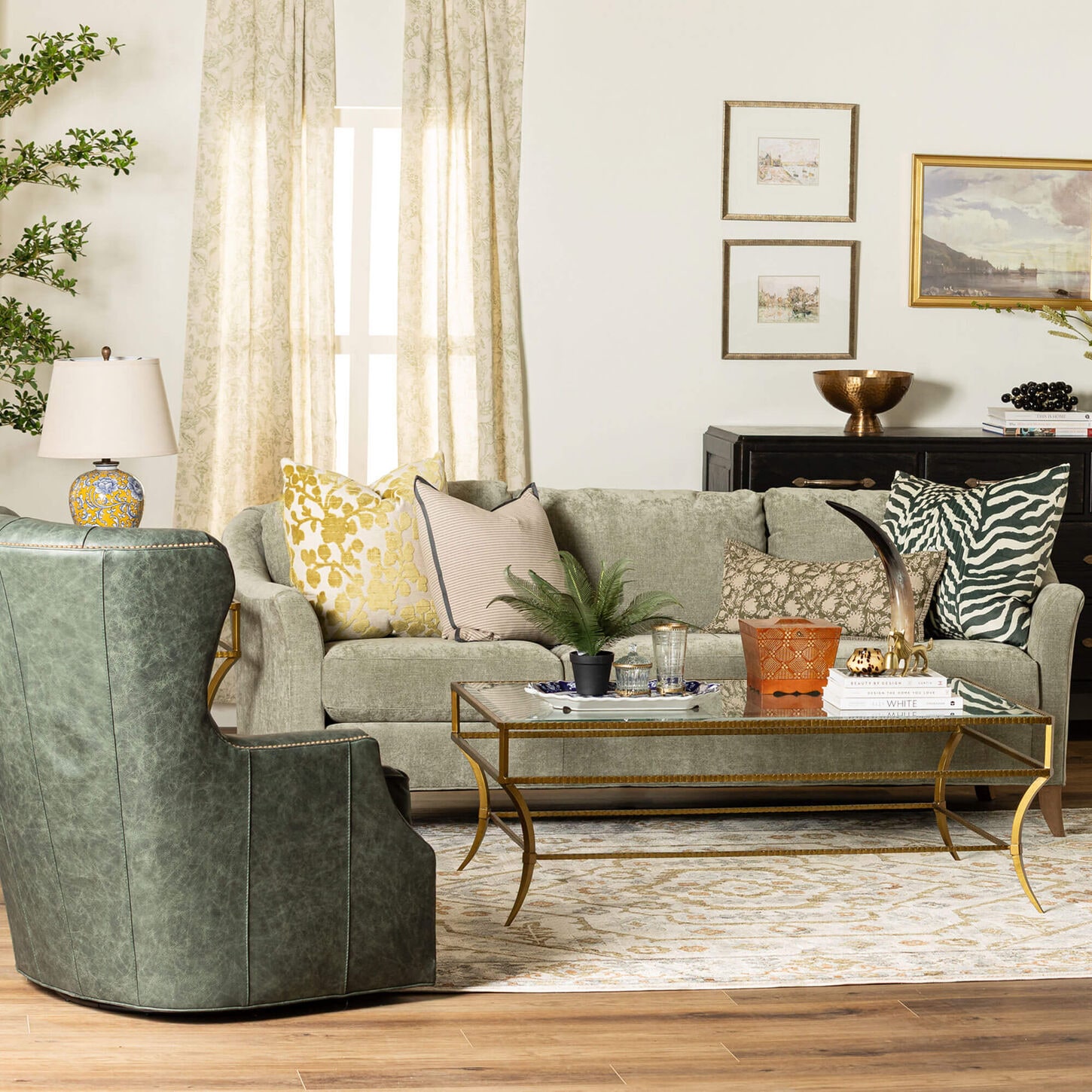
- Glass-top tables can make a smaller room feel lighter and more open.
- Metal tables complement modern, contemporary and industrial spaces.
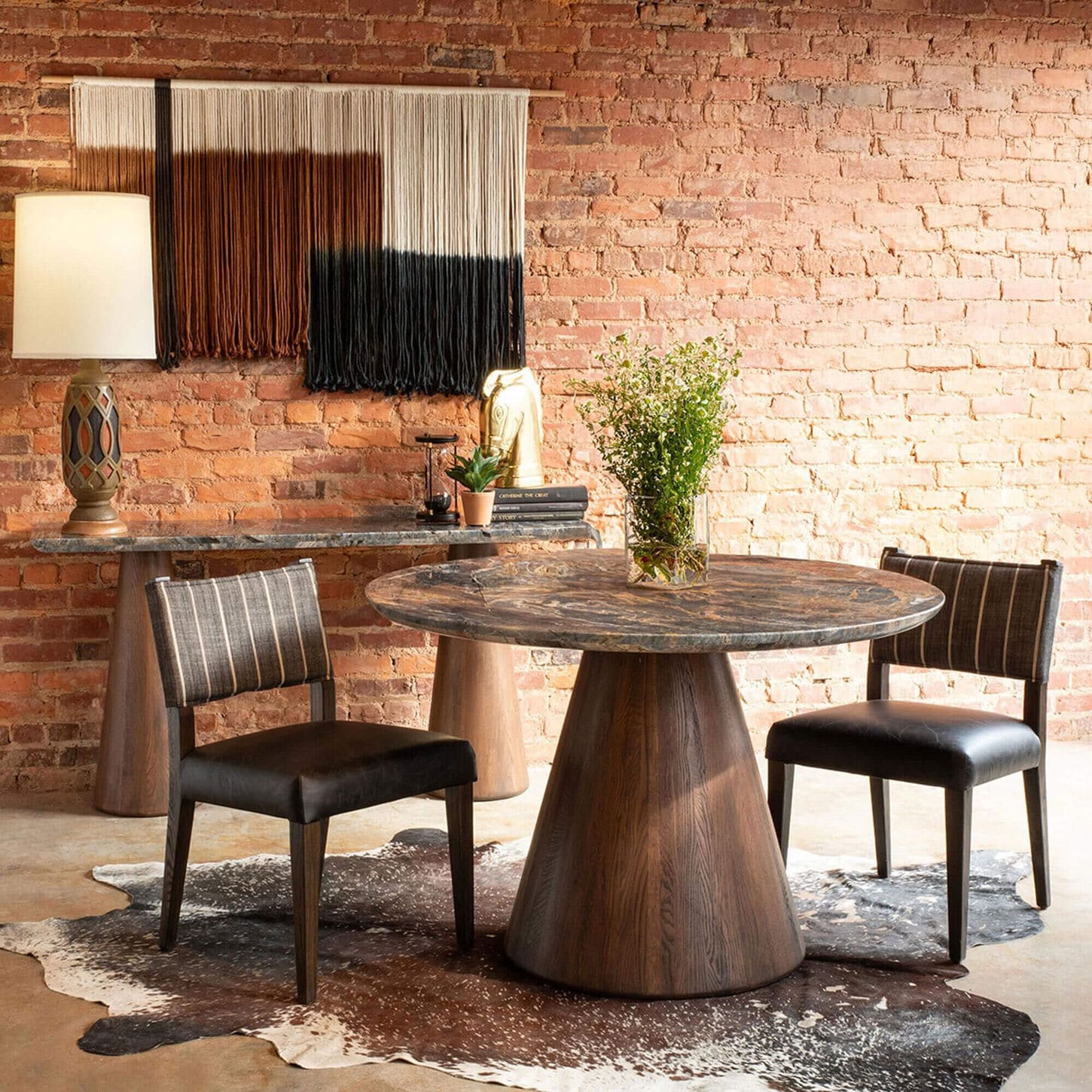
- Marble and stone-top tables add natural-looking color and pattern.
Consider how the table’s material and finish will coordinate with your sofa, chairs, flooring and other living room furniture.
Do Living Room Tables Have to Match?
Living room tables do not have to match exactly. A matching table set makes it easy to create a coordinated look, while mixing individual pieces can give the room more character.
To help different tables feel connected, repeat at least one detail, such as the material, finish, shape or design style. For example, a wood coffee table can pair with metal end tables when the pieces share similar colors or accents.
Shop Living Room Tables for Sale at NFM
Explore living room tables for sale in modern, farmhouse, traditional, transitional, industrial and other popular styles. Shop individual coffee tables, end tables, chairside tables, sofa tables and console tables, or choose a matching set to furnish your space at once.
Ready to find your favorite? Browse the collection, narrow your options with the page filters and check local availability for delivery or pickup.
Frequently Asked Questions About Living Room Tables
How much space should be between a sofa and coffee table?
Leave approximately 14 to 18 inches between the sofa and coffee table. This generally keeps the table within reach while providing enough room to walk around the seating area.
How tall should a living room end table be?
An end table should generally be close to the height of the sofa or chair arm beside it. A difference of a few inches is usually comfortable, but the ideal height depends on how you plan to use the table.
What shape coffee table works best with a sectional?
Round and square coffee tables often work well with sectionals because they fit naturally within an L-shaped seating area. Rectangular and oval tables can be better for longer sectionals, depending on the room’s layout.
Should a coffee table be shorter than the sofa?
A coffee table is typically the same height as the sofa cushions or one to two inches lower. This creates a balanced look and keeps the surface easy to reach.
