

 Back to NFM Home Stories
How to Layer Lighting for Function & Style
Prepared by Megan Bebout | Published on July 29, 2026
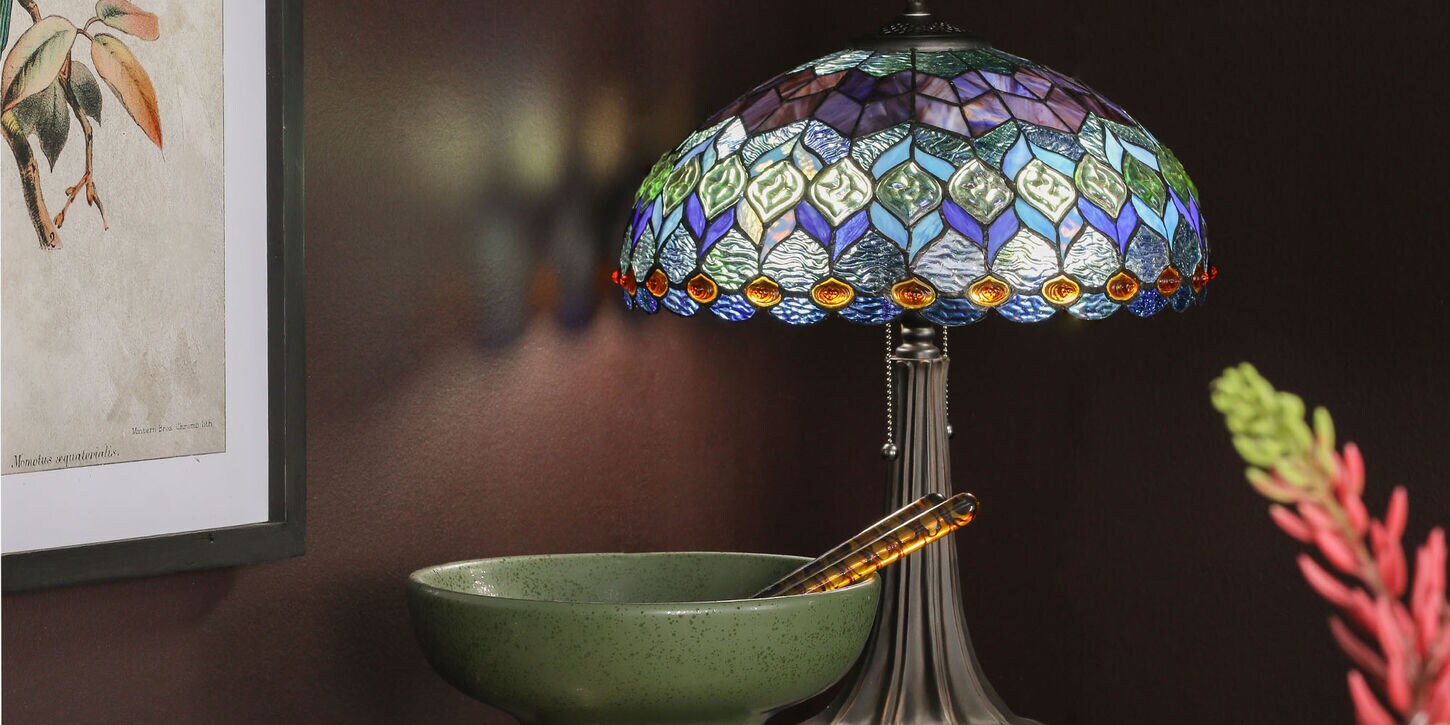
Raise your hand if you’ve ever felt personally victimized by “the big light,” aka harsh overhead lighting. 🙋 From hospitals and medical centers to department stores and offices, you’ll see this type of lighting everywhere. But that doesn’t mean it belongs in your home.
Instead, lean into layered lighting to create a space that feels calm, cozy, and intentional. Here’s how to layer lighting in a room for both function and style.
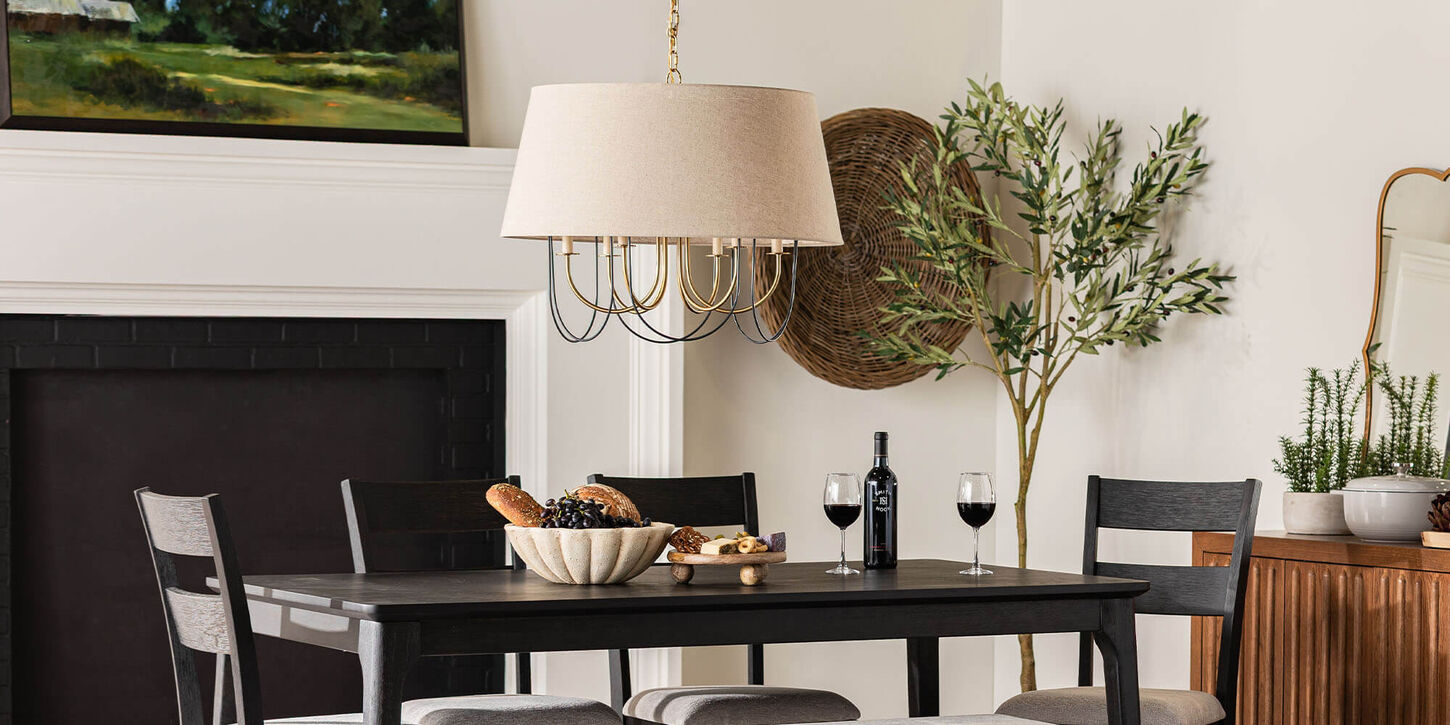
What is layered lighting?
Meet layered lighting, a design technique that combines ambient lighting, task lighting, and accent lighting at various heights and angles around a space. The result? A home that looks better, feels better, and works better for you.
“Not only is [layered lighting] functional, but it has a huge impact on how your home feels,” Hilary Woltemath, NFM’s general manager of visual identity and brand, said in an “I Am Home” podcast episode. “It’s a finishing touch, a mood setter, and what I like to refer to as jewelry for your home.”
The three types of lighting every room needs
If good lighting is the recipe for a warm, inviting home, then these three layers are the secret ingredients.
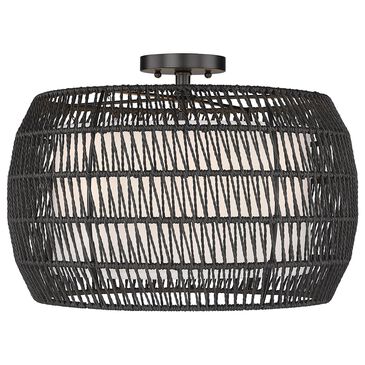
Ambient lighting is the base that sets the scene. It fills the room, establishes the space’s overall mood, and often comes from hardwired fixtures, such as ceiling lights, recessed lighting, or flush mounts.
Task lighting is all about function and provides focused light for the activities you do every day. Whether it’s a desk lamp illuminating your latest craft, under-cabinet lighting helping you prepare a favorite meal, or vanity lights brightening your morning routine, this layer brings focused light exactly where you need it.
Accent lighting is where personality shines. It highlights the details you cherish, like artwork, architectural features, or statement furniture, while adding depth and a sense of intention.
When all three layers work together, you can feel your room come to life. Harsh shadows soften, elements come forward, and the atmosphere effortlessly shifts from energized and productive to calm and relaxing.
How to layer lighting in any space
Ready to master how to layer lighting? Start simple.
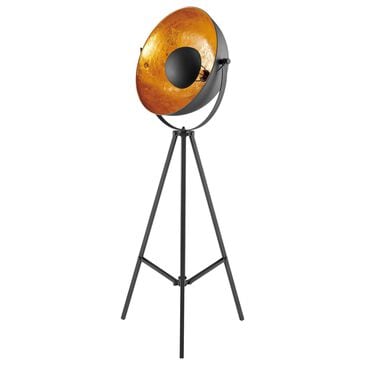
First, build your foundation with ambient light. Look to chandeliers, shaded floor lamps, or wall sconces, and pay attention to the way natural light moves across the room throughout the day.
Next, add your task lighting. A reading nook bathed in light, your kitchen counter ready for meal prep, or a bedside table softly illuminating your current book — these are the moments where lighting becomes both personal and purposeful.
Then, layer in accent lighting. LED strips tucked into bookshelves, uplights casting a warm beam behind leafy plants, or spotlights revealing the texture of a wall amplify dimension and add drama that draw the eye.
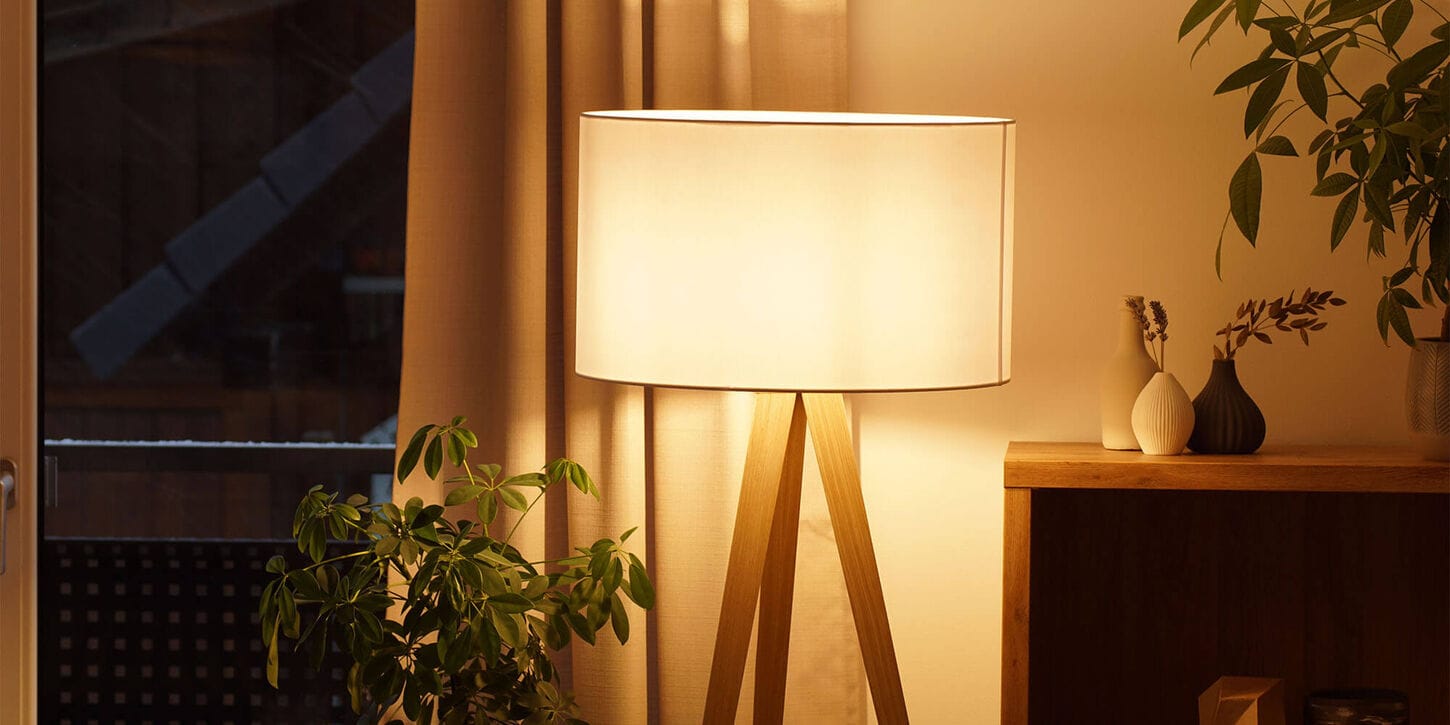
Finally, one of the best lighting tips for home is to play with height. By blending overhead fixtures, eye-level lighting, and floor-level glow, you create a space that feels balanced, inviting, and lived in.
Room-by-room layered lighting ideas
When it comes to lighting for your living room, bedroom, and every space in between, the formula stays the same. It’s just the way it comes together that changes room to room.
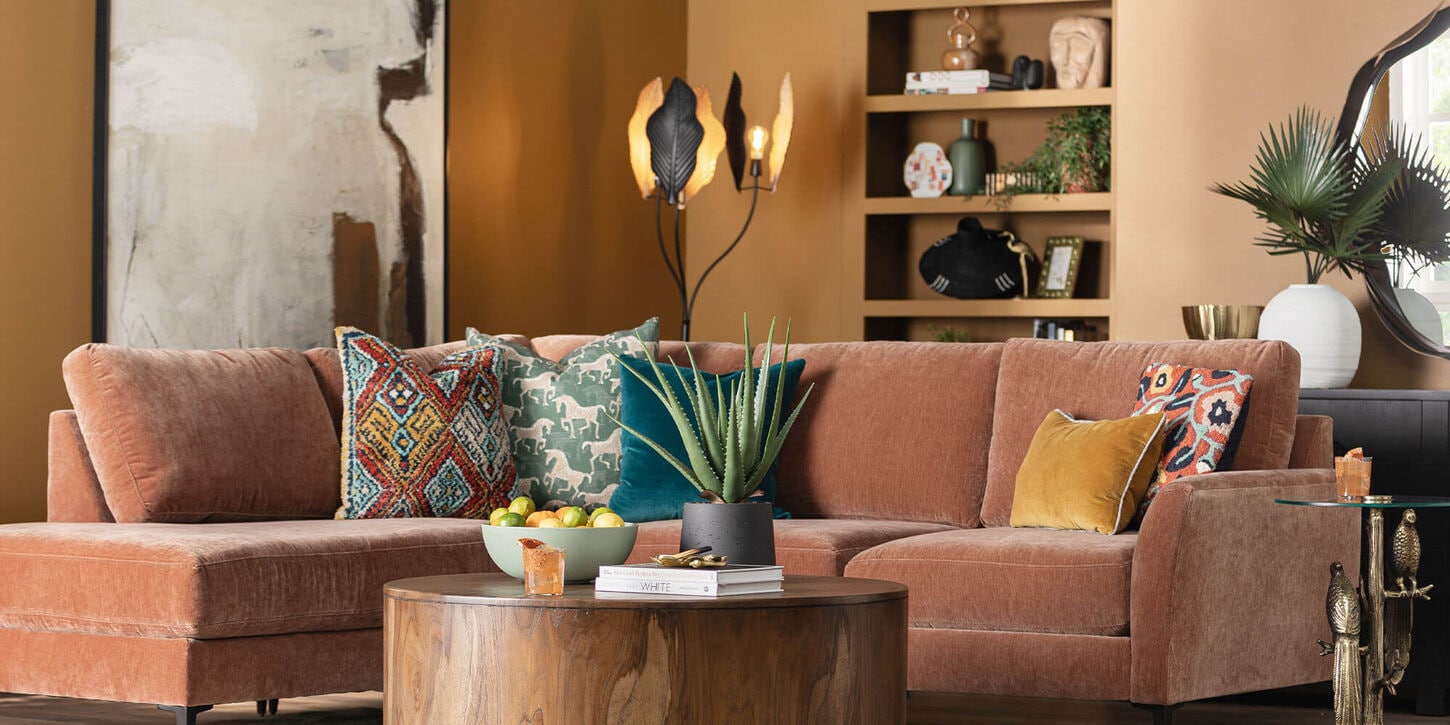
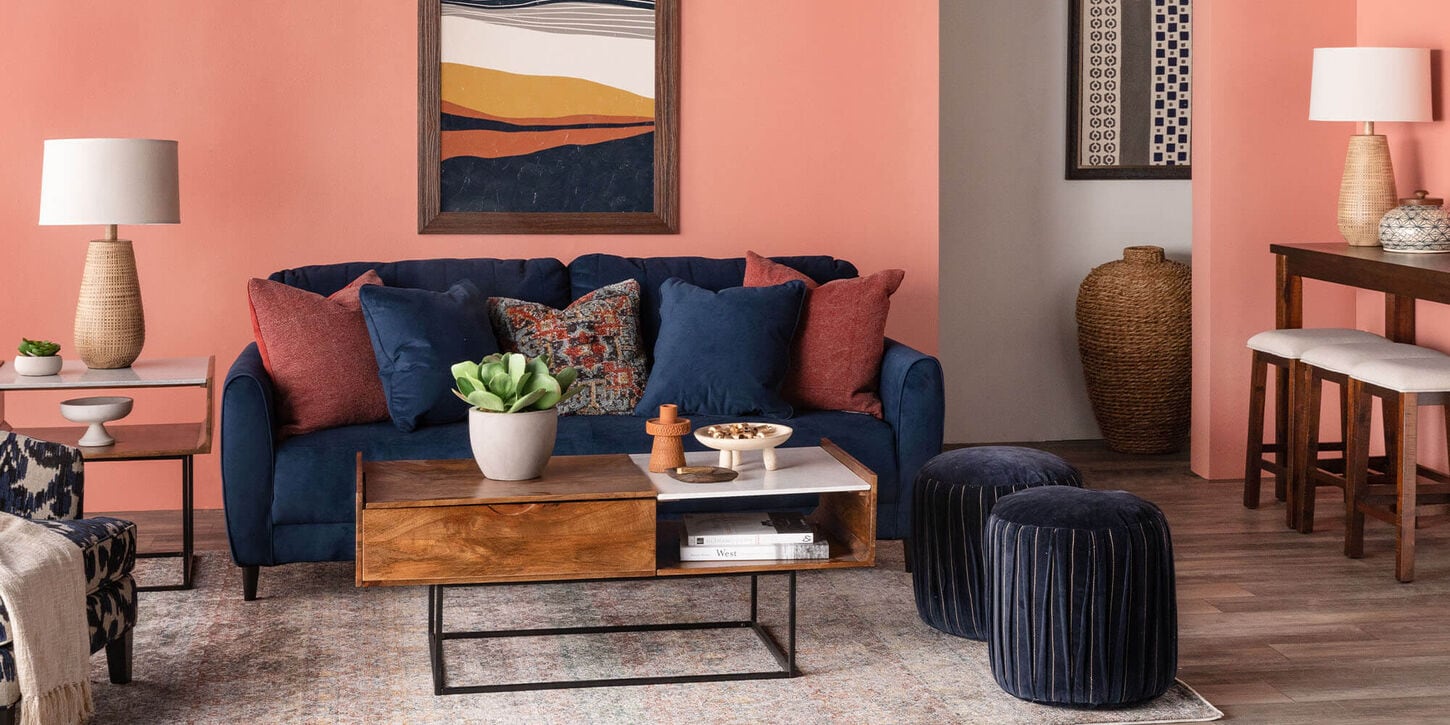
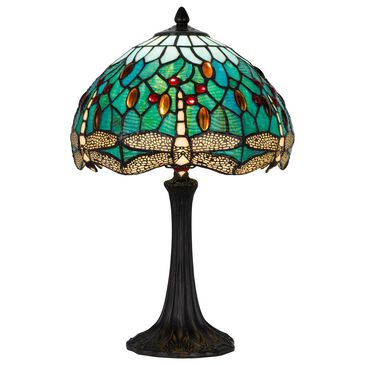
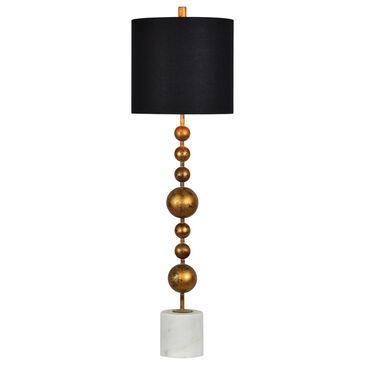
Living room lighting should feel warm, flexible, and welcoming. Picture a soft pool of light beside your coziest chair or a fixture that subtly stretches light across the room during a quiet night in. A mix of table lamps and floor lamps adds warmth and defines zones for a more intimate atmosphere, while also doubling as task and accent lighting.
Dining rooms shine when there’s a focal point to gather around. A pendant light or chandelier draws the eye to the table, setting the stage for everything from weeknight dinners to holiday celebrations. Nearby sconces or buffet lamps add layers of light that warm up the room even more.
Kitchen lighting needs to work as hard as your sizzling pans and busy mornings. Bright task lighting, like under-cabinet LEDs, keep countertops clear and workspaces visible. Pendants and wall lights soften the room’s overall feel, making it just as inviting for conversation as it is for cooking.
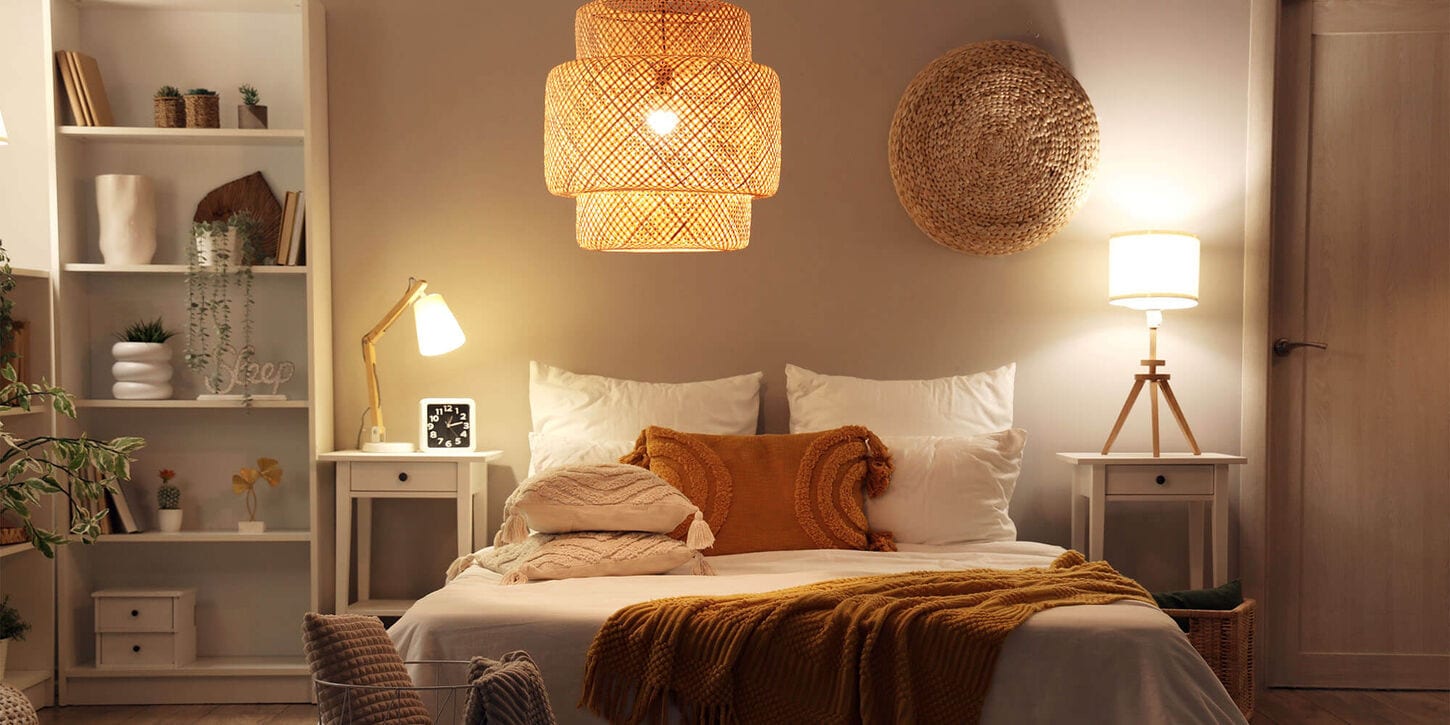
Bedroom lighting should feel like a nice exhale at the end of the day. Adjustable table lamps or soft wall sconces offer cozy lighting that makes curling up with a book or winding down for the night feel effortless, while still providing the light you need when you need it.
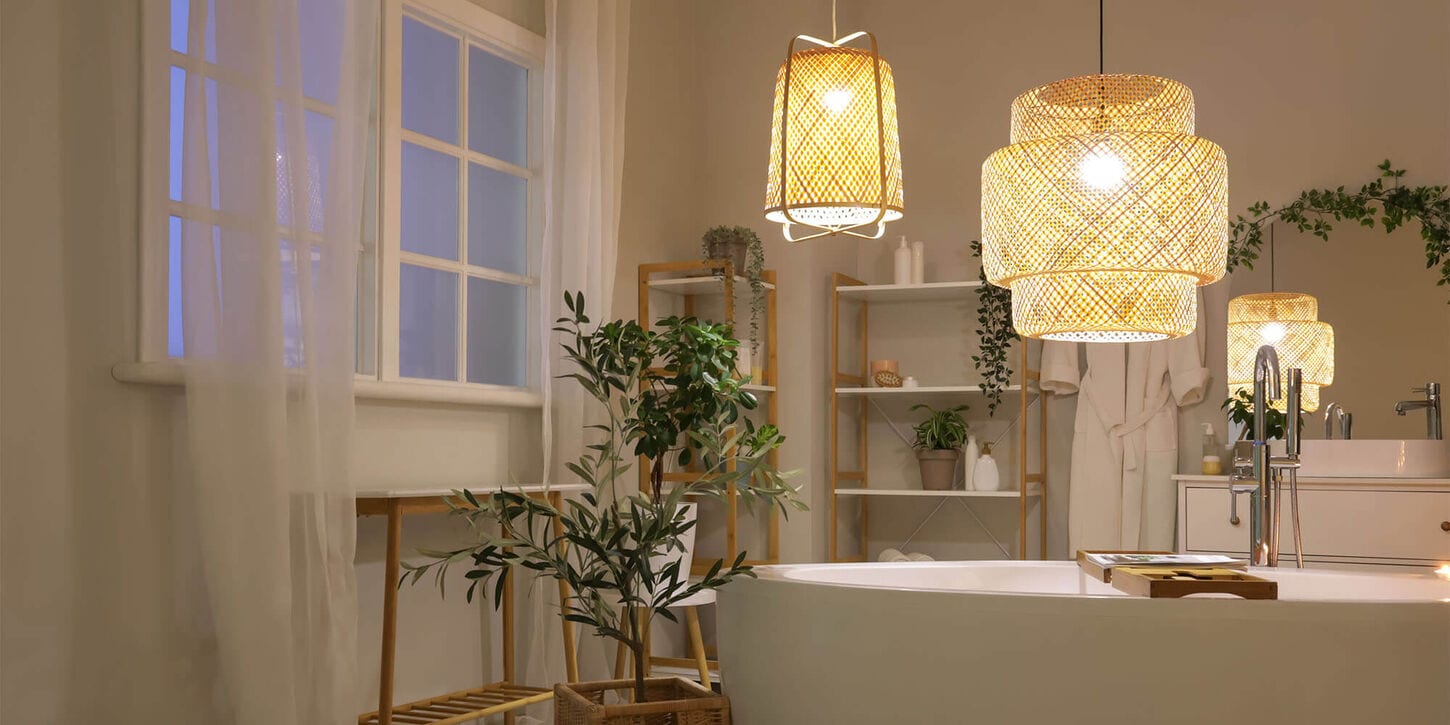
Bathroom lighting depends on your space and setup. Rooms filled with natural light can lean on ambient lighting to maintain a bright, airy feel, while lower-light bathrooms benefit from dedicated task lighting around the vanity.
Budget-friendly ways to upgrade your lighting
Good lighting doesn’t have to be complicated or expensive. As Hilary said, “Lighting is one of the simplest ways you can refresh your space.”
For instance, an easy swap is upgrading to LED bulbs. They use less energy, last longer, and come in a range of color temperatures so you can control the mood of your space.
You can also refresh your lighting with DIY or upcycled lampshades. It’s a simple way to customize brightness, soften shadows, and add another personal touch to your home’s aesthetic.
Smart lighting tips for convenience & ambiance
Want to take things a step further? Cue smart home lighting.
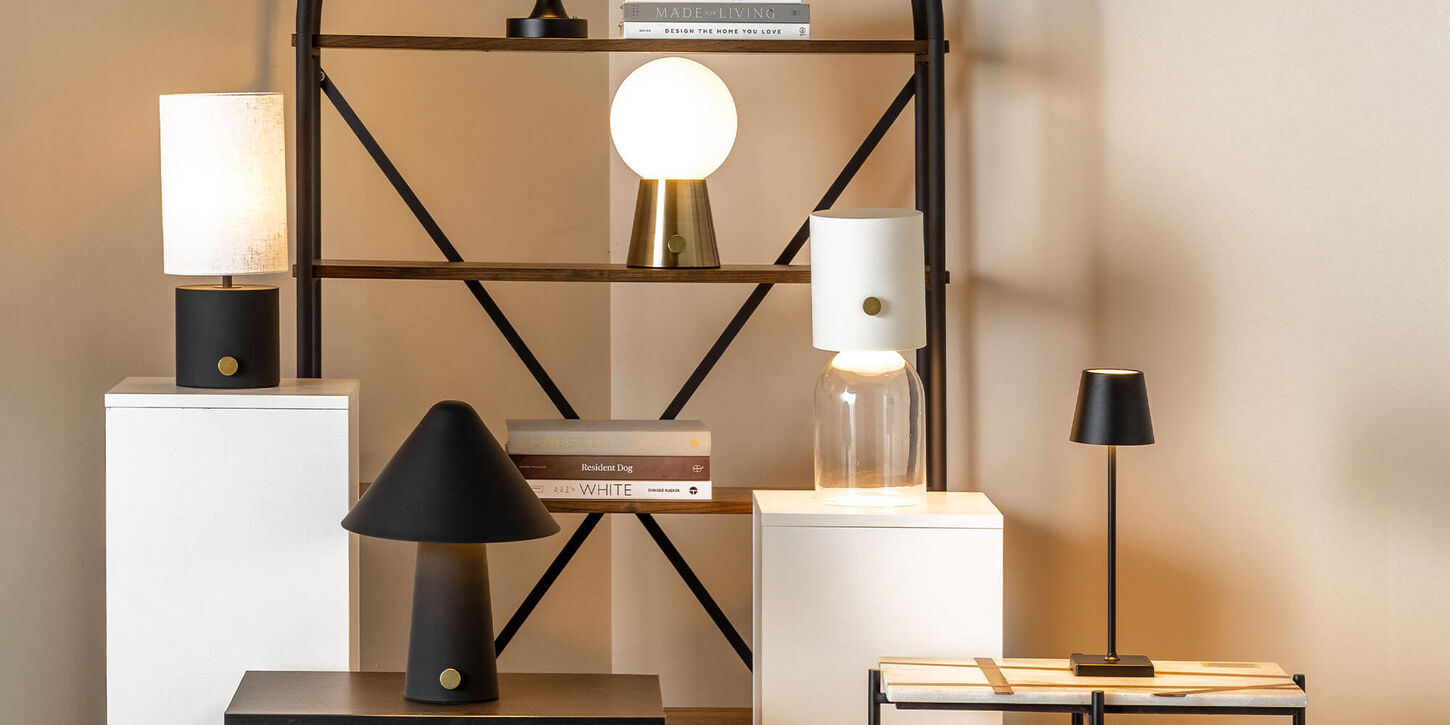
Smart home lighting is an automated system that connects smart bulbs, switches, and controls to your home’s network. This allows you to remotely adjust brightness, change colors, create schedules, and set customized lighting scenes that match your lifestyle.
To get the most from your setup, develop schedules that fit your routine, use voice controls for added convenience, and incorporate different light sources to achieve the perfect balance of function, comfort, and style.
Common lighting mistakes to avoid
· Relying too much on overhead lighting
· Using only one light source
· Installing fixtures too high or low
· Ignoring color temperature
· Forgetting natural light
When it comes to how to make a room feel warm and welcoming, lighting is one of the easiest enhancements with the biggest impact. The next time you’re tempted to flip on the big light, remember how layering ambient, task, and accent lighting makes your home feel more comfortable, more purposeful, and more like you.
Our Favorite Lighting Options



Comp. Value $310.00
Save 50%
Comp. Value $360.00
Save 47%
Comp. Value $370.00
Save 54%
Comp. Value $600.00
Save 51%
Comp. Value $960.00
Save 46%