




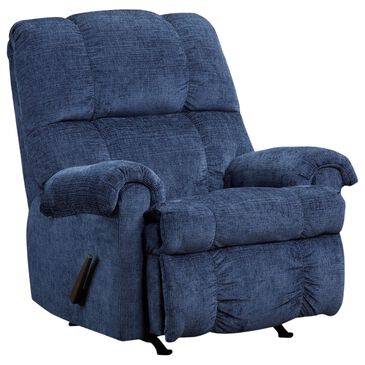
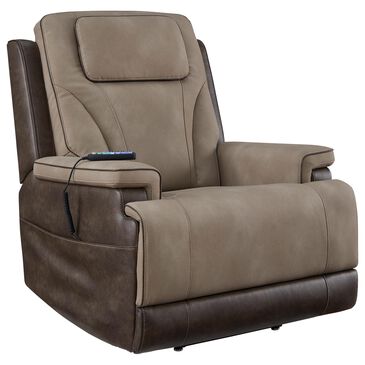
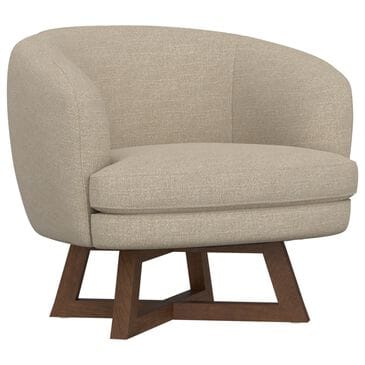
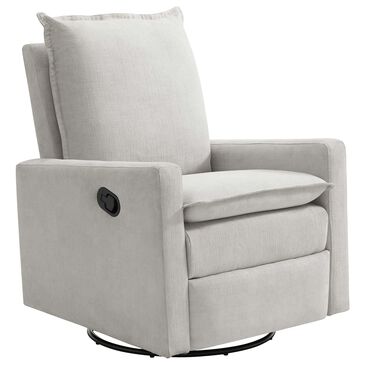



Shop Chairs and Recliners for Every Room
Chairs and recliners provide comfortable, functional seating for living rooms, bedrooms, nurseries, offices and other spaces. At NFM, you can shop accent chairs, recliners, swivel chairs, massage chairs and chair and ottoman sets in a variety of sizes, materials, colors and styles.
Looking for chairs for living room spaces? Start by considering how you will use the chair, how much room you have, and which features will give you the right level of comfort.
What Types of Living Room Chairs Are Available?
Popular types of living room chairs include:
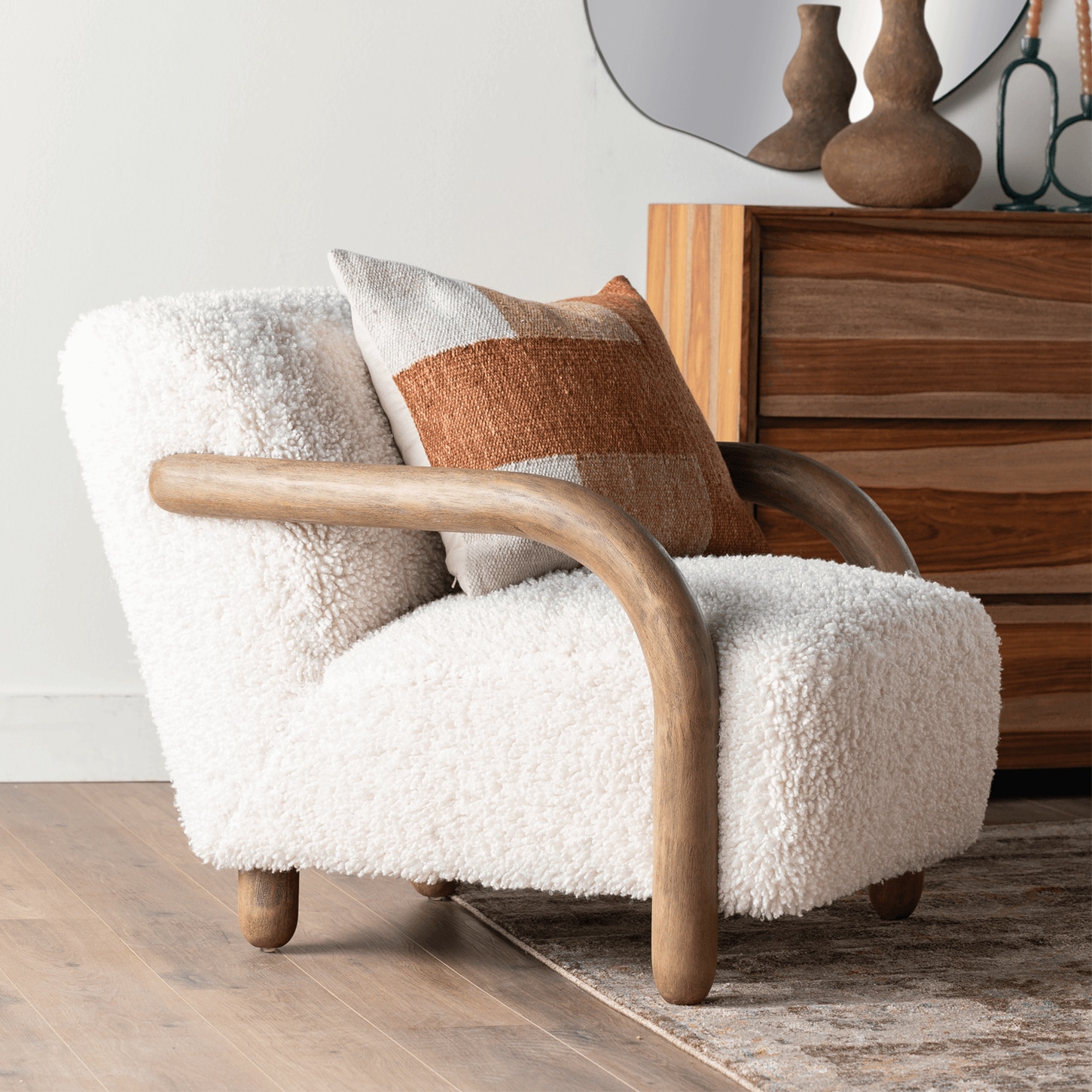
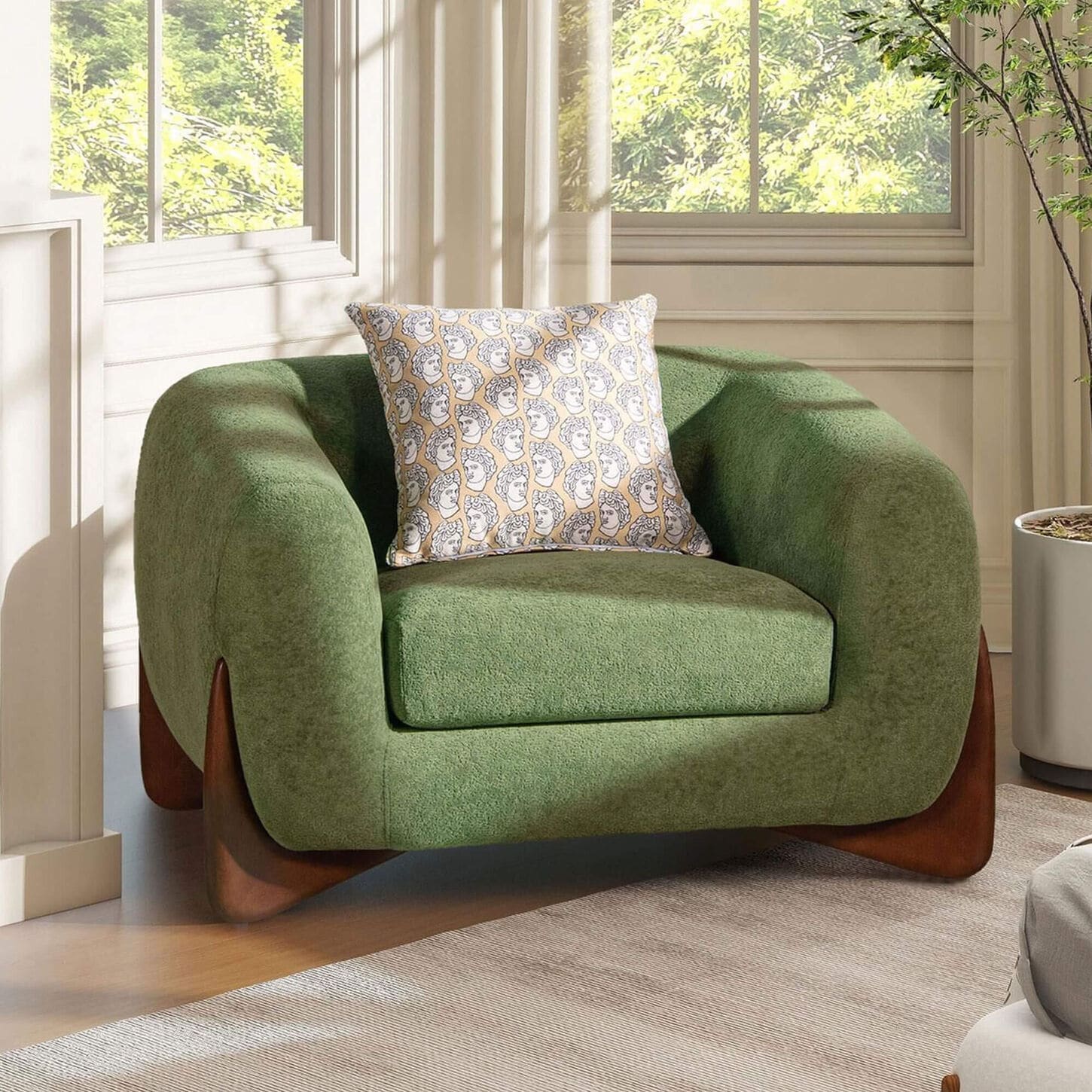
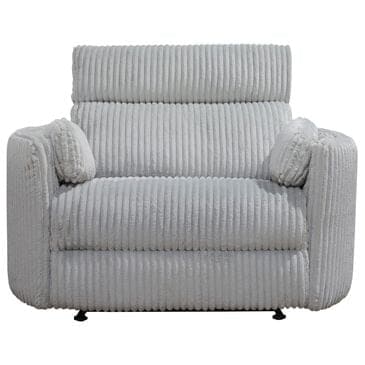
- Accent chairs: Add extra living room seating while introducing color, pattern or texture.
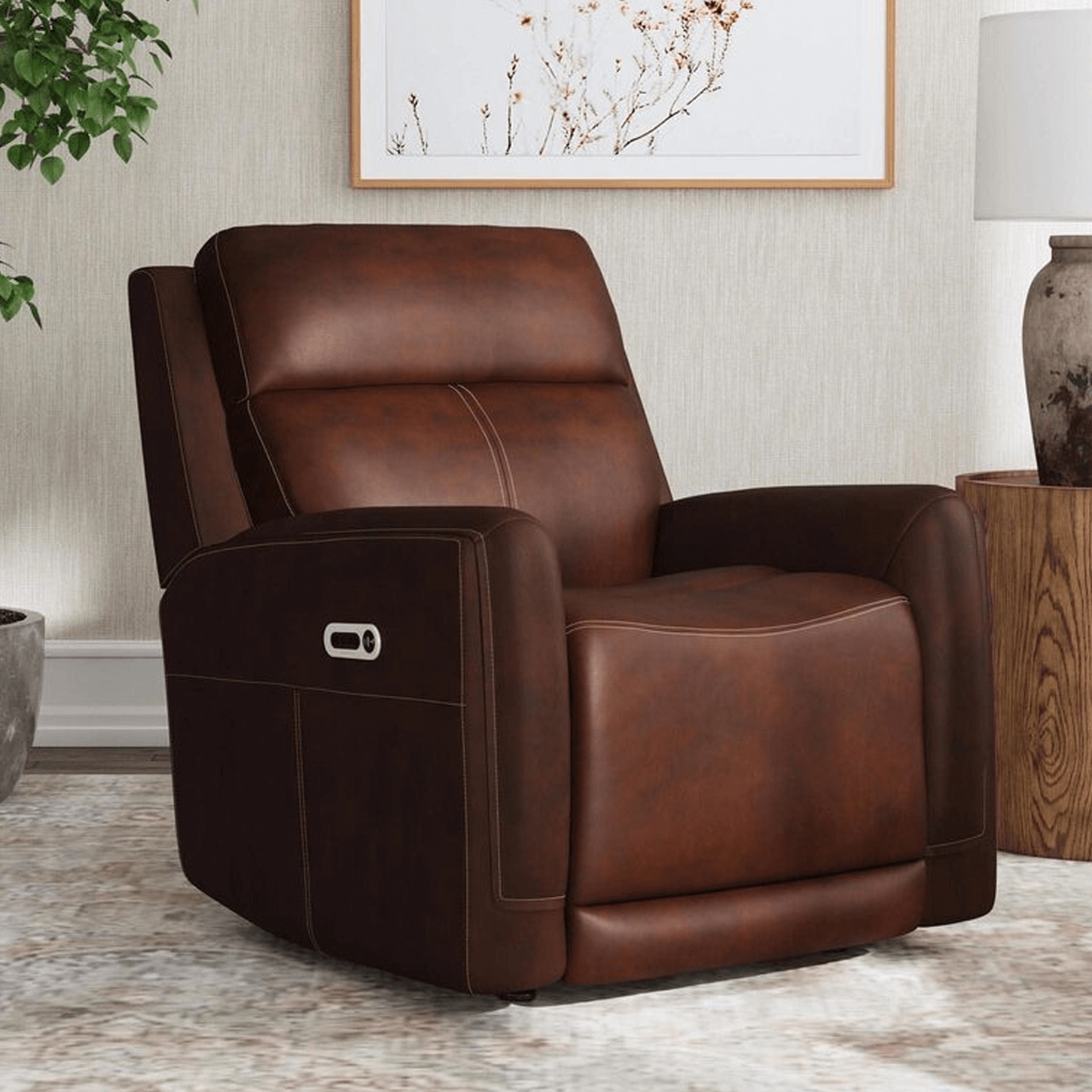
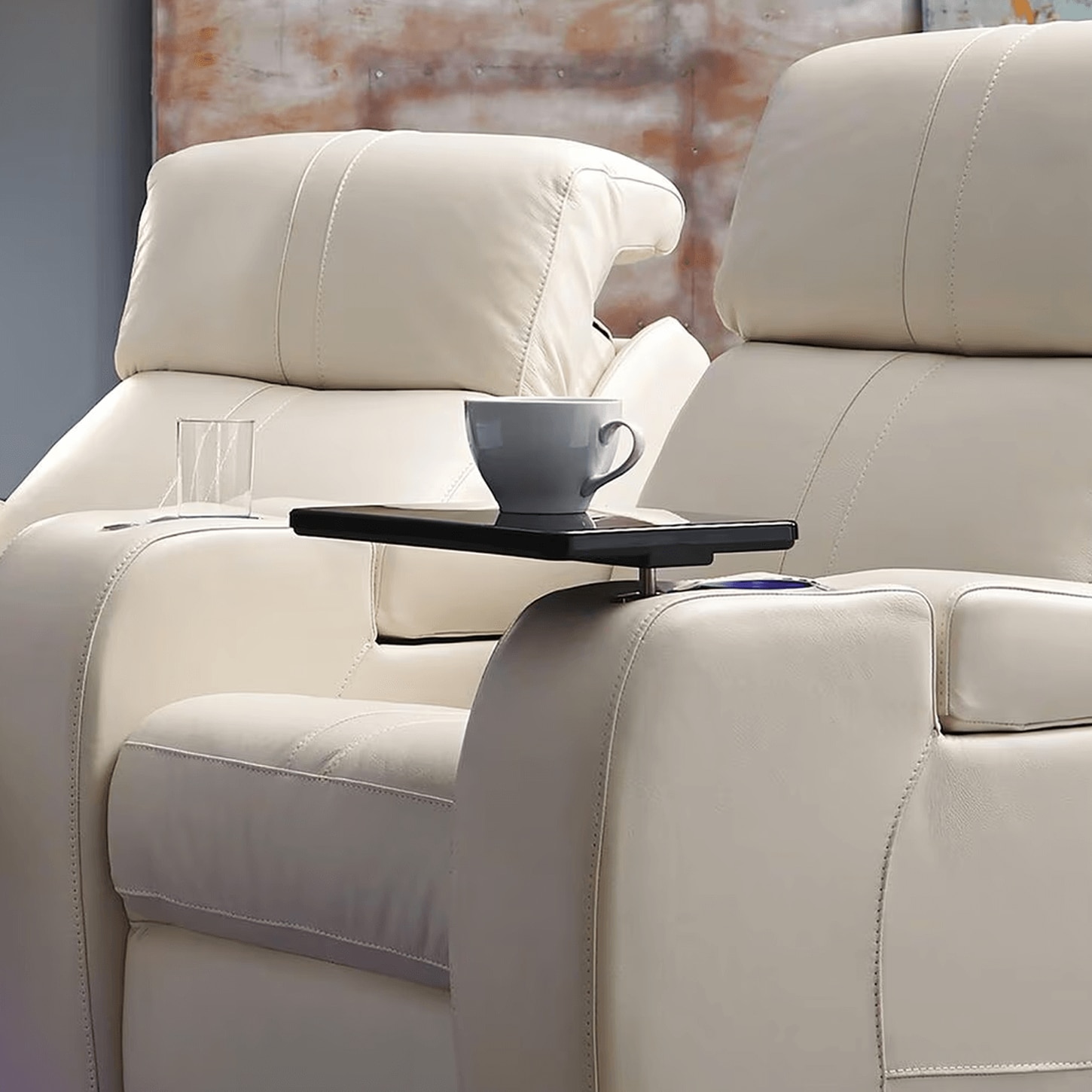
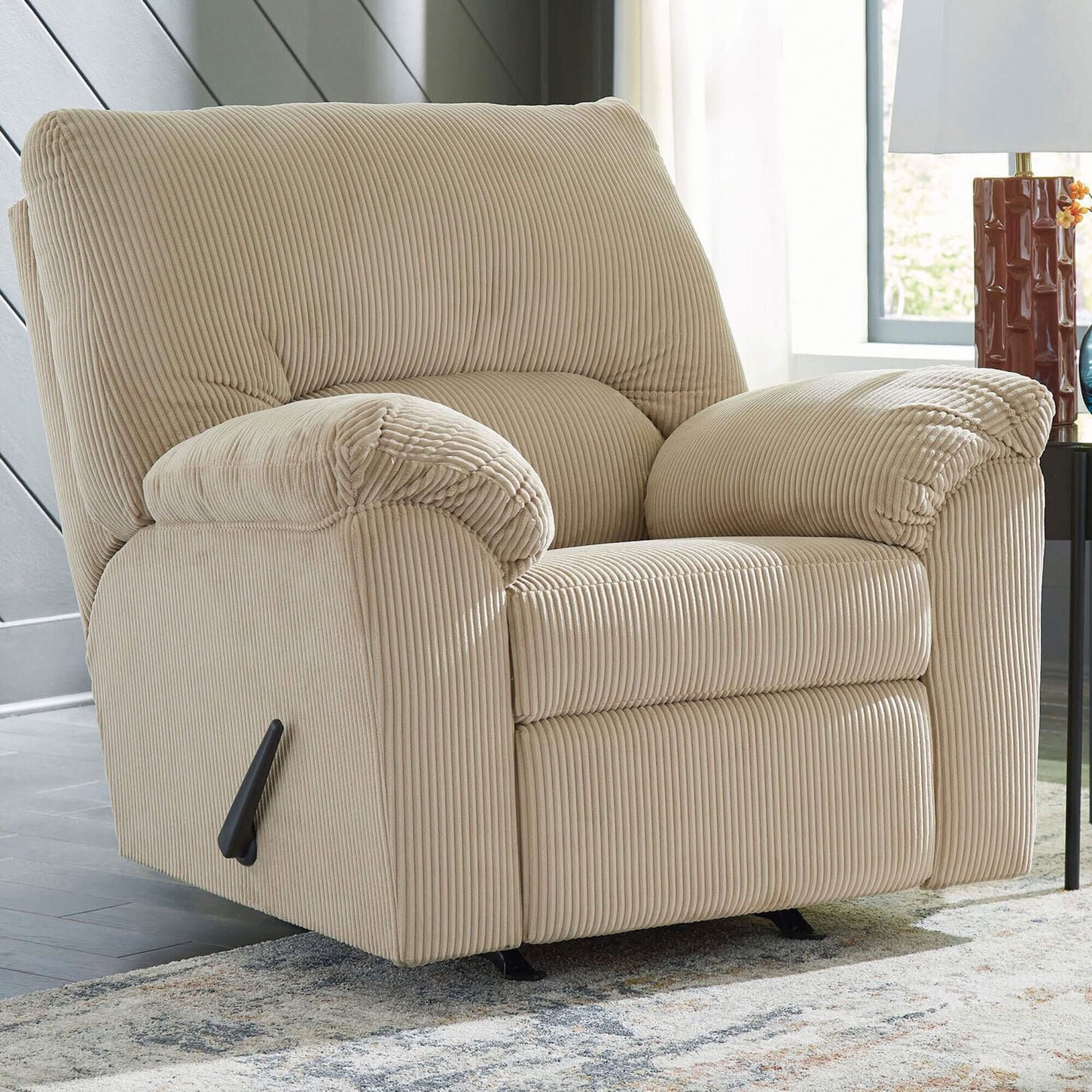
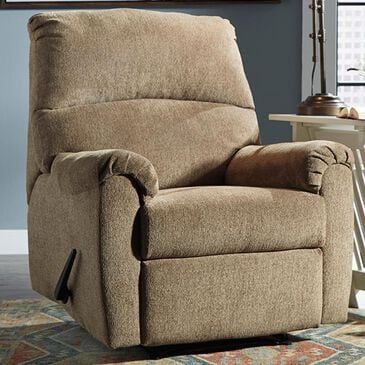
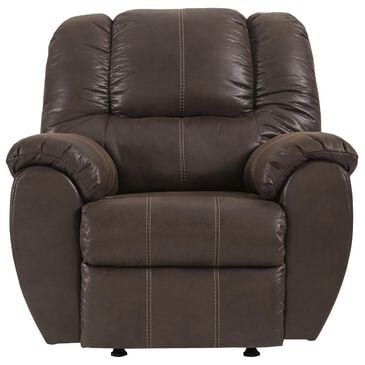
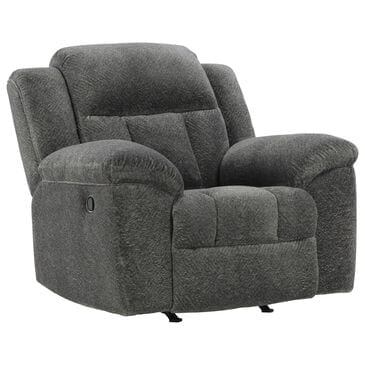
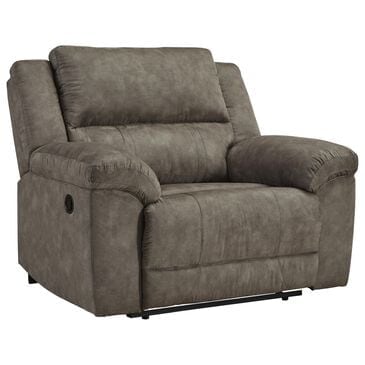
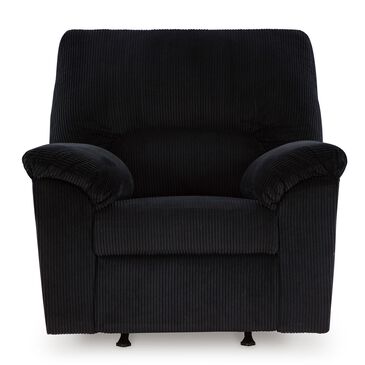
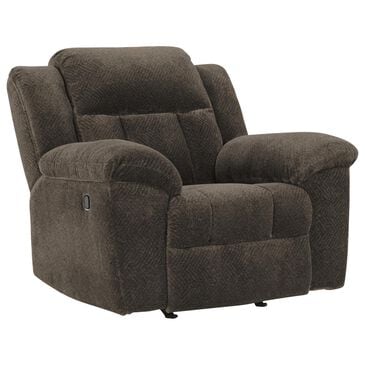
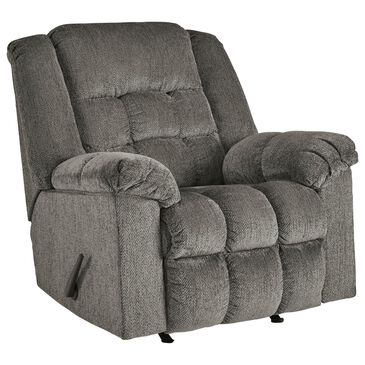
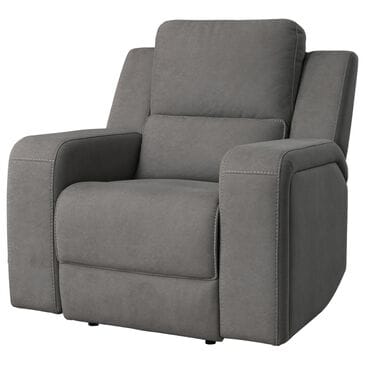
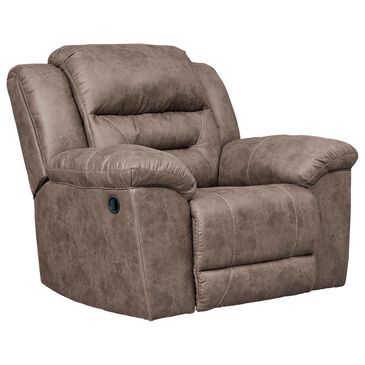
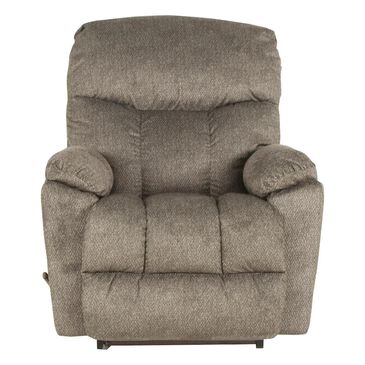
- Recliners: Use an adjustable back and footrest to support reading, watching TV and relaxing.
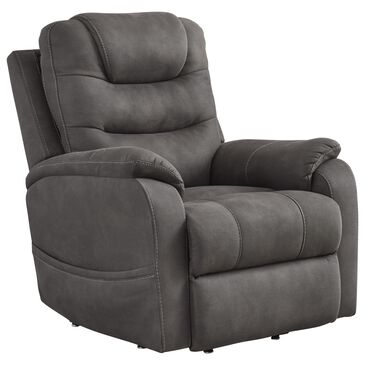
- Reclining chairs: Include manual and power-operated designs with a range of reclining positions.
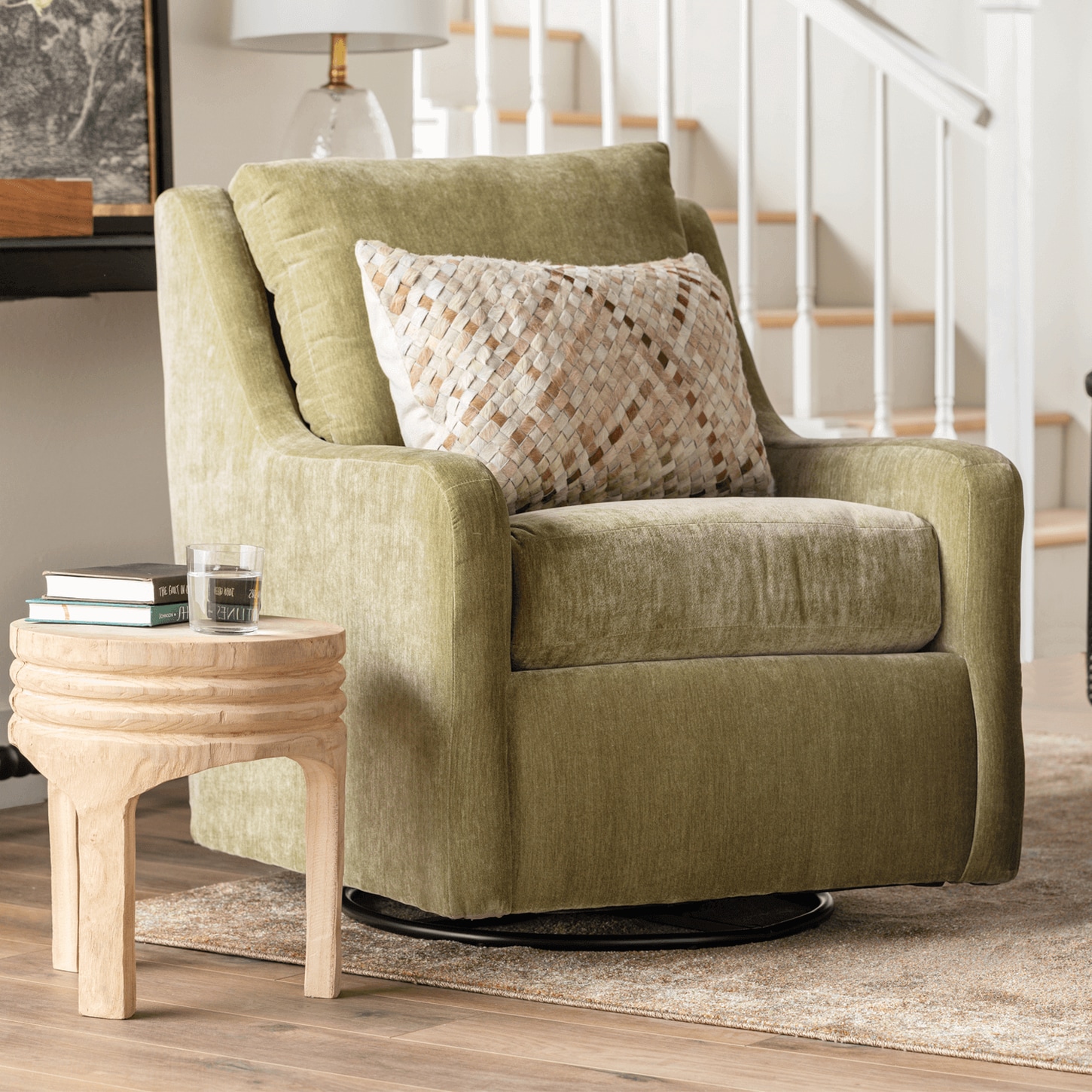
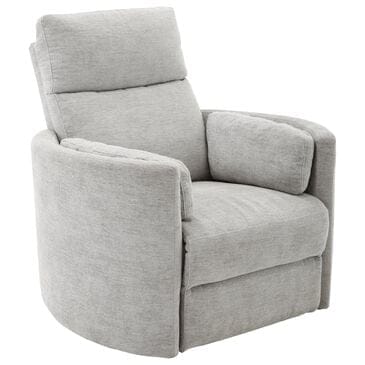
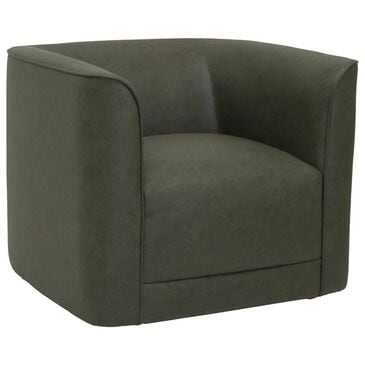
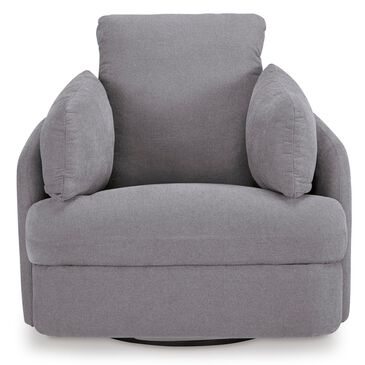
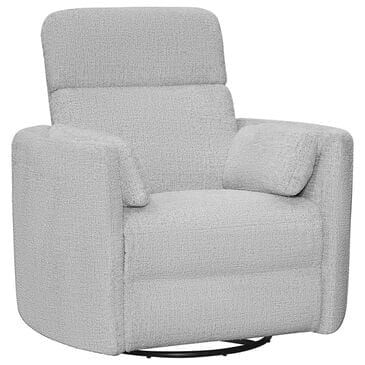
- Swivel chairs: Rotate from side to side, making it easier to turn between conversation and entertainment areas.
- Swivel glider chairs: Combine rotating and gliding movements and work well in living rooms and nurseries.
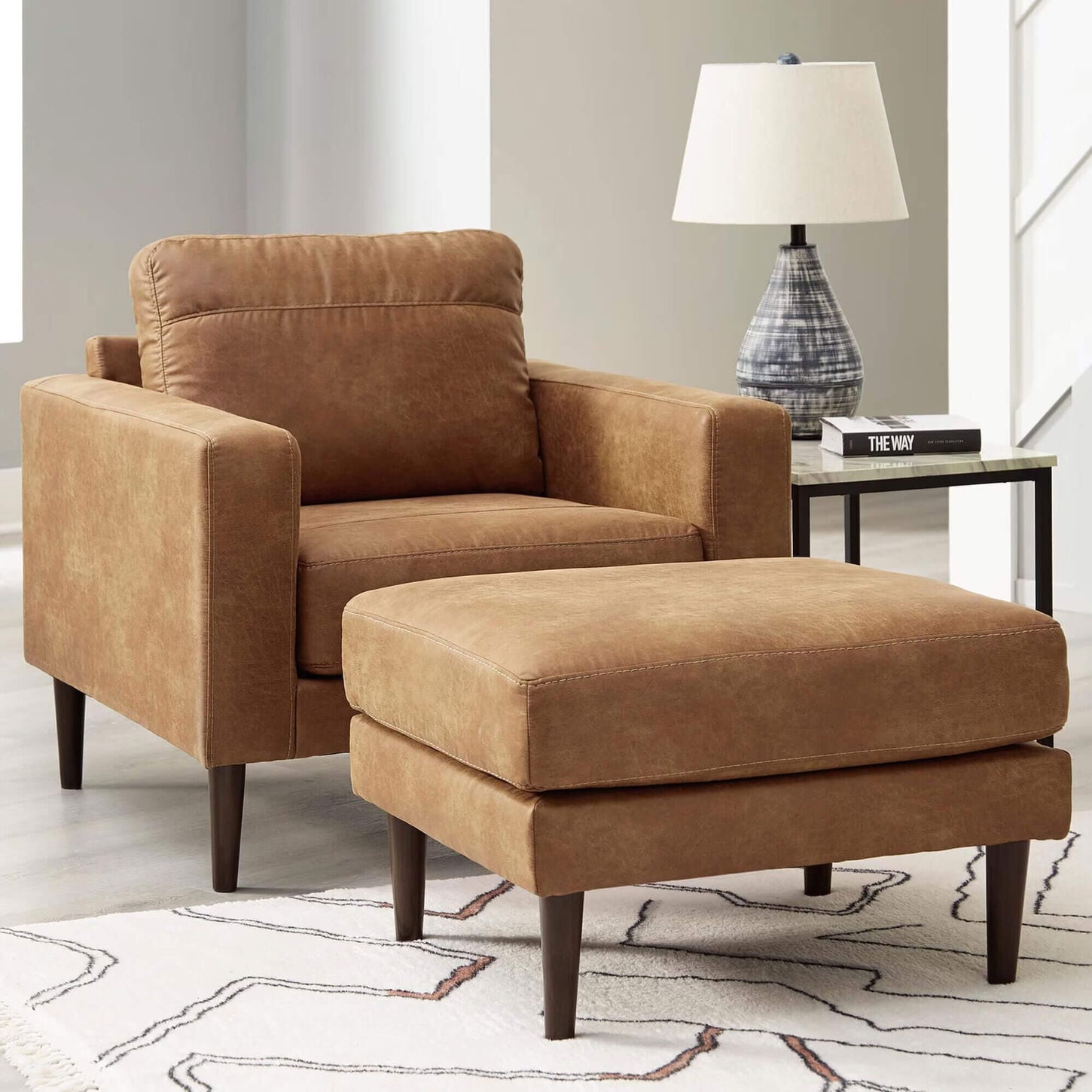
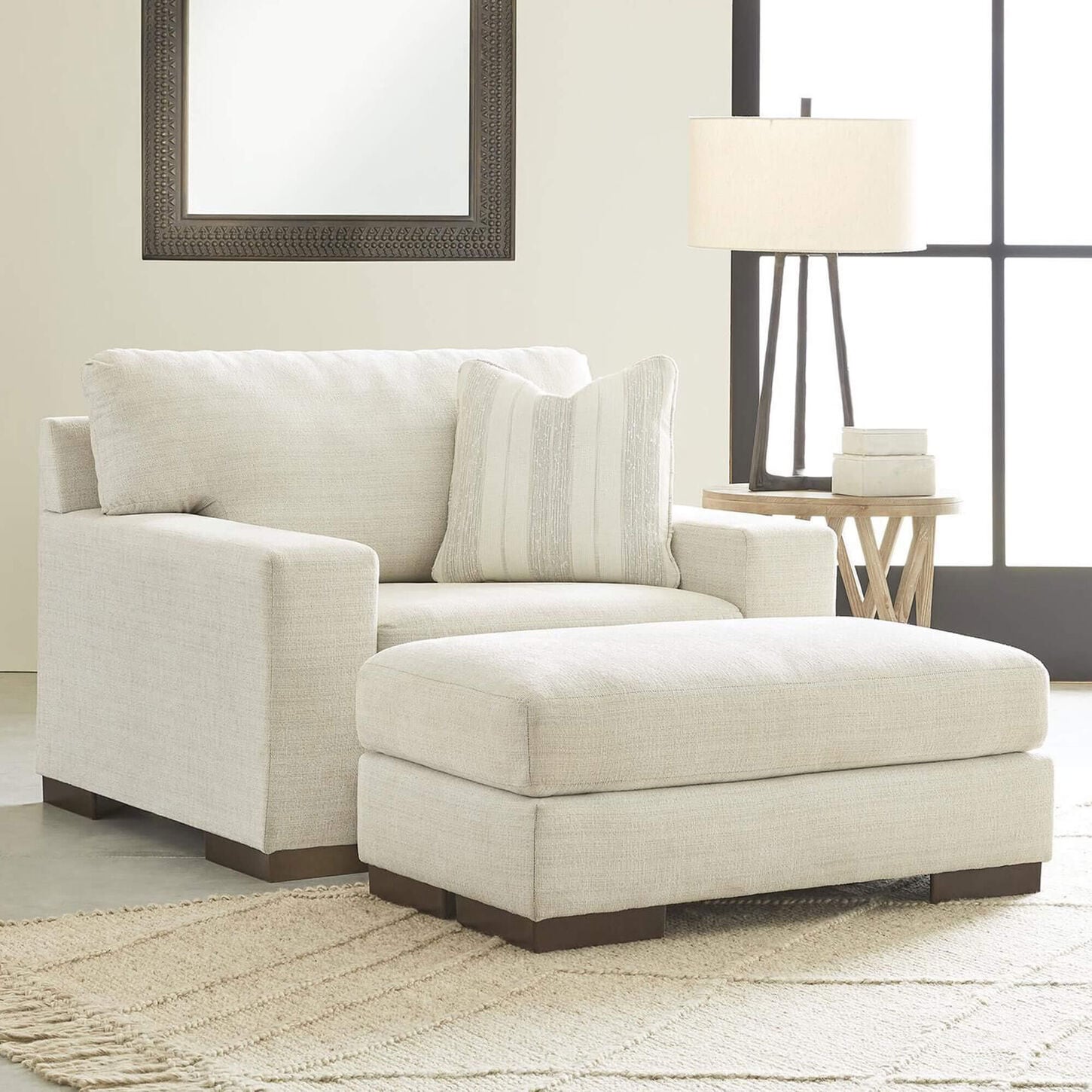
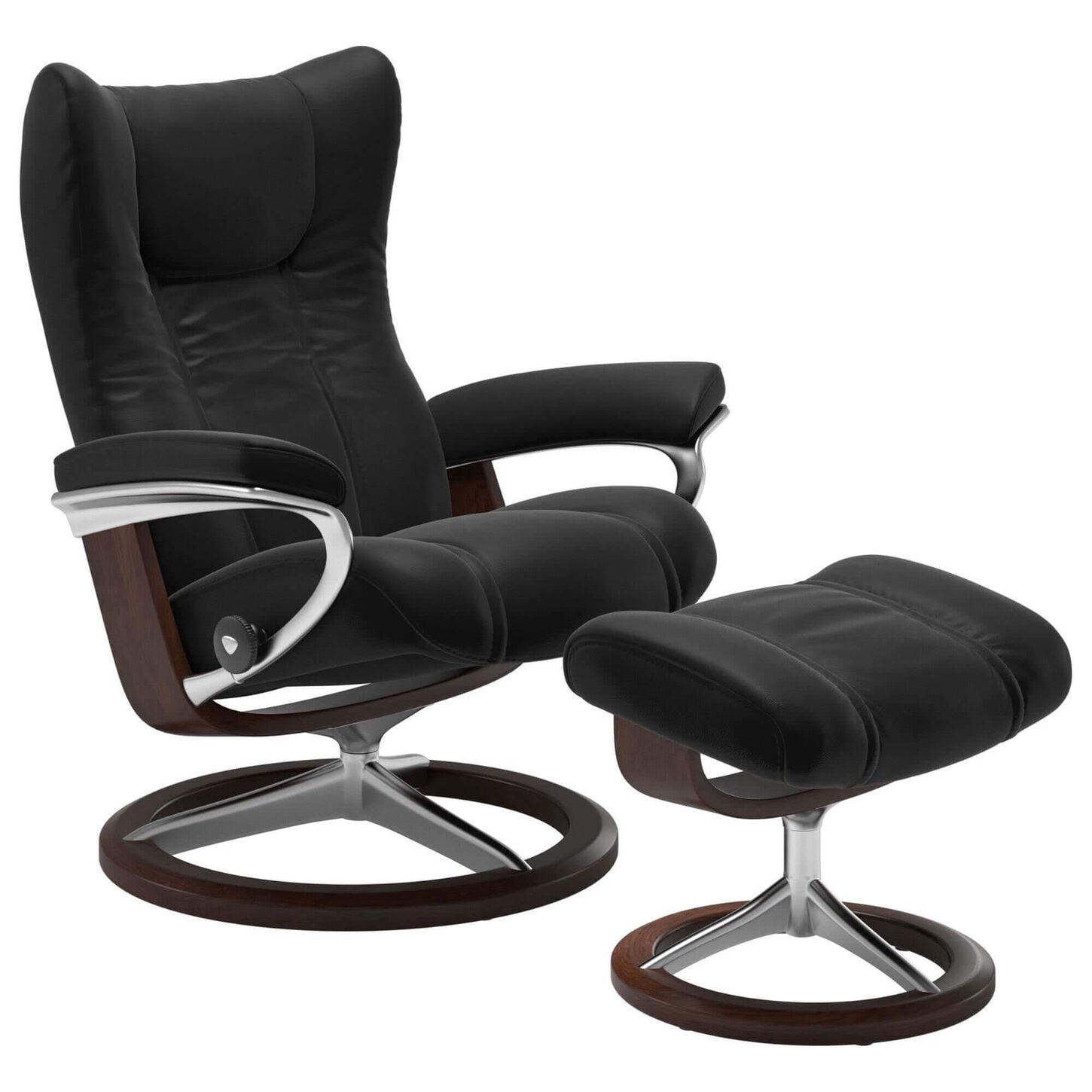
- Chair and ottoman sets: Include a coordinating footrest that can also provide flexible seating or surface space.
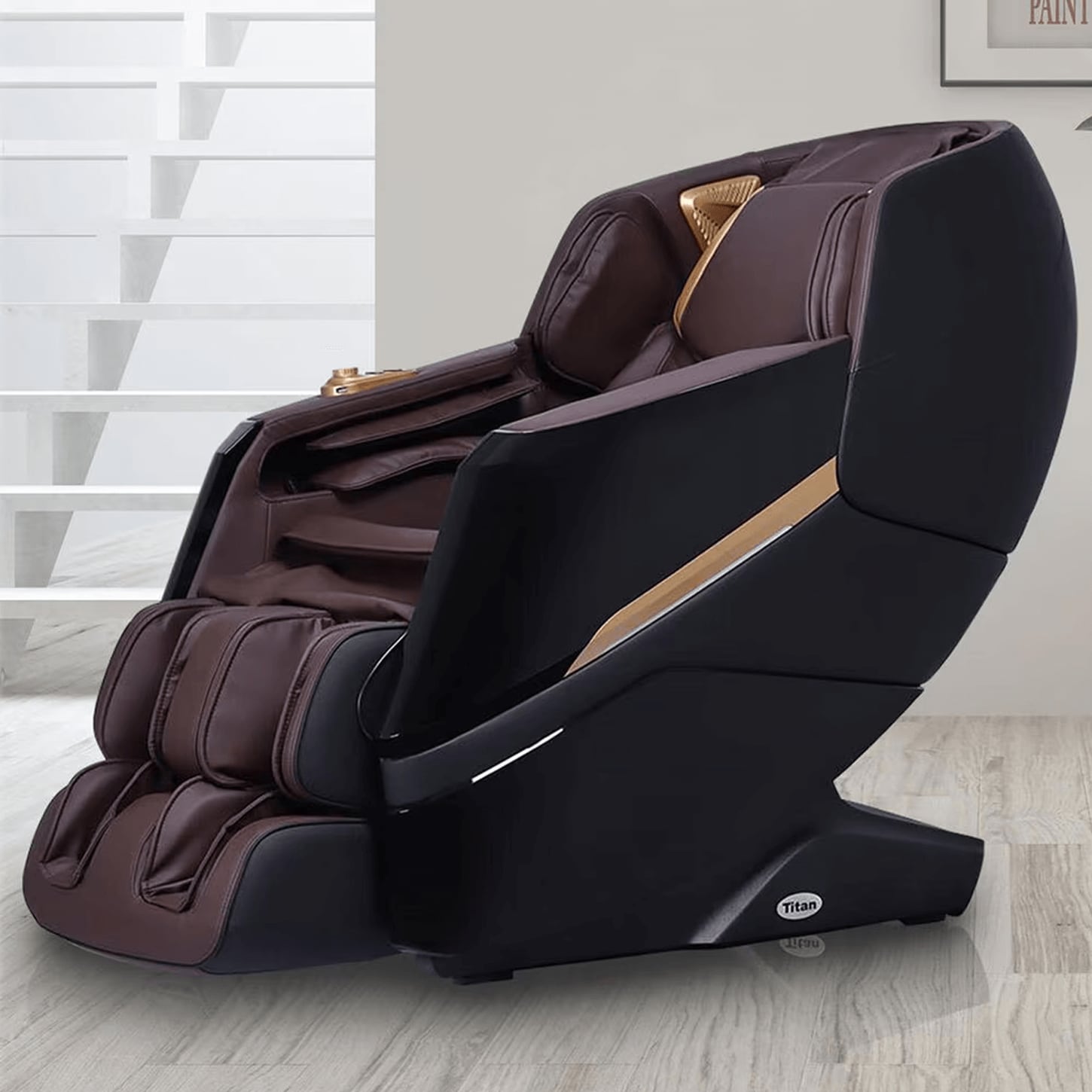
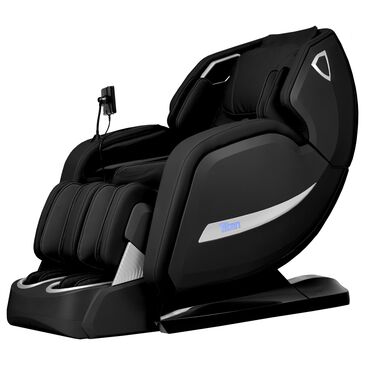
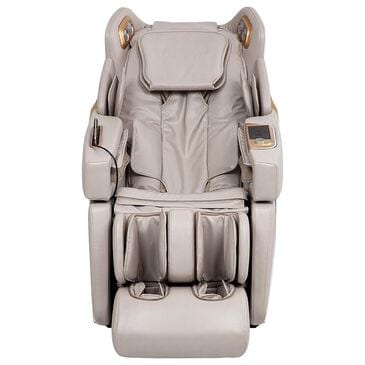
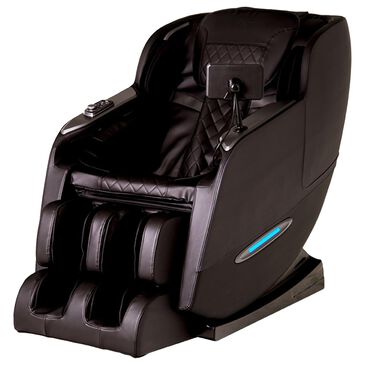
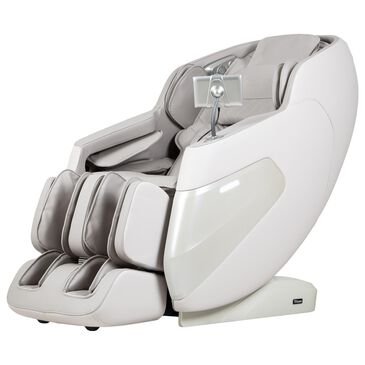
- Massage chairs: Offer built-in massage programs and relaxation features.
The best option depends on the chair’s purpose, available space and the features you plan to use most often.
What Is the Difference Between an Accent Chair and a Recliner?
An accent chair mainly offers extra seating and visual appeal, whereas a recliner is built to deliver adjustable, supportive comfort. Accent chairs typically feature a stationary back and a smaller, space-saving profile. Recliners come with a reclining back and an extending footrest, letting the sitter shift into different positions.
Pick an accent chair if you want flexible seating or to introduce color, character, and charm to your space. Choose a recliner if customizable comfort and daily lounging matter most.
Should You Choose a Manual or Power Recliner?
A manual recliner uses a handle, lever or push-back mechanism and normally does not require electricity. A power recliner uses an electric motor and adjusts at the touch of a button.
Power models may offer additional features such as:
- Independent headrest and footrest controls
- Adjustable lumbar support
- USB charging ports
- Power lift assistance
- Multiple reclining positions
Manual recliners typically have fewer mechanical components and offer more flexibility when there is no nearby outlet. The right choice depends on your desired features, room arrangement and budget.
Choose Leather or Upholstered Chairs
The upholstery affects how living room chairs look, feel and hold up to everyday use. Leather chairs and recliners offer a polished appearance and are generally easy to wipe clean. Fabric and other upholstered chairs are available in a wider selection of colors, patterns and textures.
When comparing materials, consider the amount of daily use, whether children or pets are in the home and how much maintenance you prefer. Check each product description for specific material and care information.
How Do You Find Comfortable Living Room Chairs?
Comfortable seating for living rooms should provide appropriate support and fit both the user and the available space. Compare the seat height, seat width, seat depth and back height before choosing a chair. Cushion firmness, arm height, upholstery and reclining features can also affect comfort.
Measure the chair’s full width, depth and height along with your doorway and delivery path. For recliners, check the fully extended depth and recommended wall clearance. These measurements can help you find comfortable chairs without overcrowding the room.
Shop Chairs for Sale at NFM
Browse chairs for sale in modern, contemporary, traditional, farmhouse, and casual designs. NFM features living room chairs from well-known furniture brands, including space-saving accent chairs, plush upholstered options, massage chairs, and comfortable recliners.
When shopping online for living room furniture, use filters to narrow down chairs and recliners that fit your room, comfort needs, and price range. Check local stock to view living room chairs for sale that are available for delivery or pickup.
Frequently Asked Questions About Chairs and Recliners
What type of chair is best for a living room?
The best chair depends on how you will use the seating. Accent chairs provide flexible seating and style, while recliners provide adjustable support. Swivel chairs work well in conversation areas, and chair and ottoman sets provide a separate place to rest your feet.
Do living room chairs need to match the sofa?
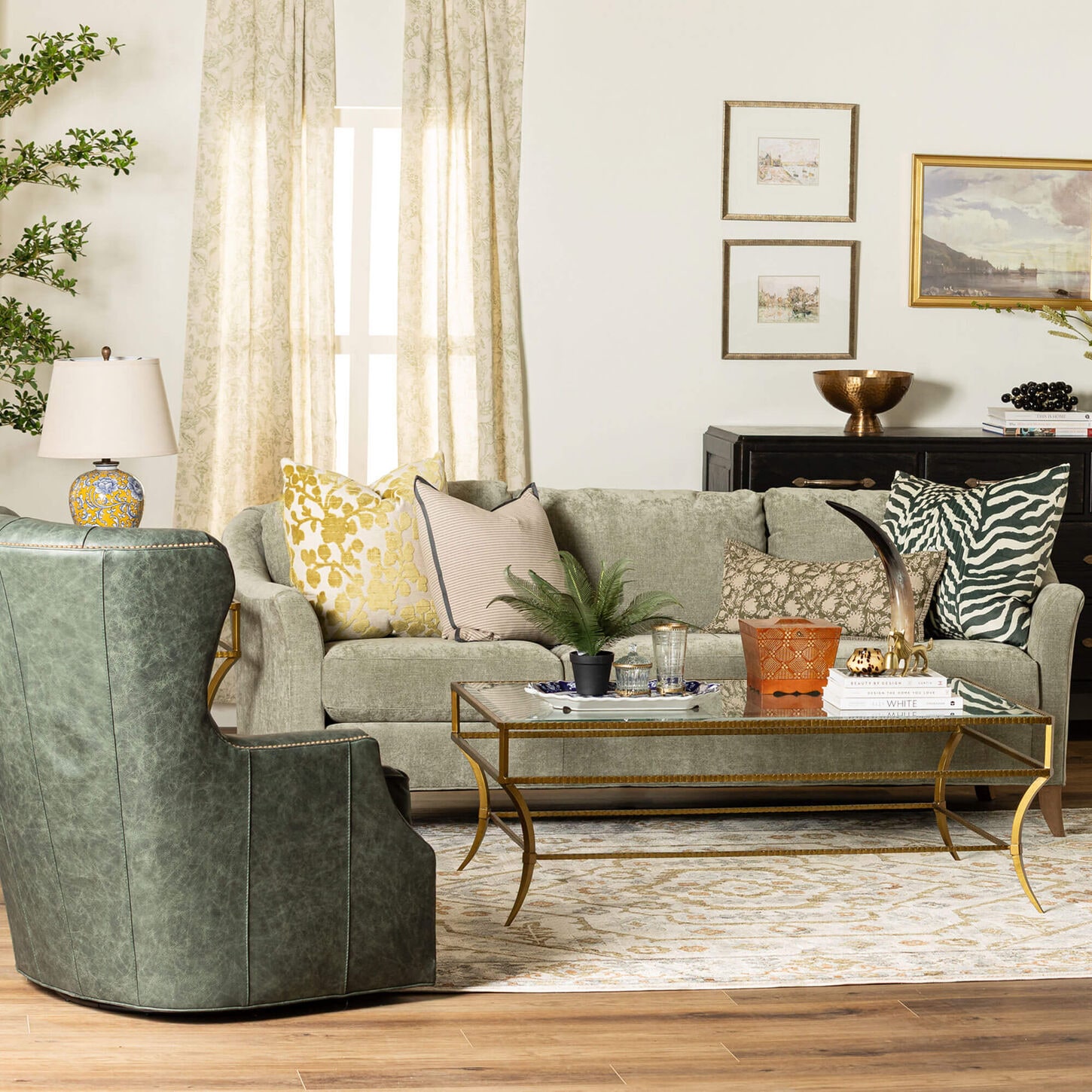
Living room chairs do not need to match the sofa exactly. Feel free to mix and match furniture pieces. Keep in mind, though, that matching color, material, shape, or design style can create a cohesive look in your living space. It also lets the chairs add contrast and personality.
How much room does a recliner need?
The space required depends on the recliner’s dimensions and mechanism. Measure the chair in its fully extended position and follow the manufacturer’s recommended wall clearance. Zero-wall recliners are designed to recline with less space behind them than many traditional models.
What is the difference between a swivel chair and a swivel glider chair?
A swivel chair rotates from side to side. A swivel glider chair rotates and also moves in a smooth back-and-forth motion. Swivel glider chairs are commonly used in living rooms and nurseries where gentle movement is preferred.
Are power recliners better than manual recliners?
Power recliners are better for shoppers who want push-button adjustments and features such as power headrests, lumbar support or USB charging. Manual recliners may be better for shoppers who prefer a simpler mechanism that does not require an electrical outlet.
What should you measure before buying a living room chair?
Measure the available floor space, the chair’s width, depth and height, and all doorways or hallways along the delivery path. For a recliner, also measure its fully extended depth and required wall clearance.
